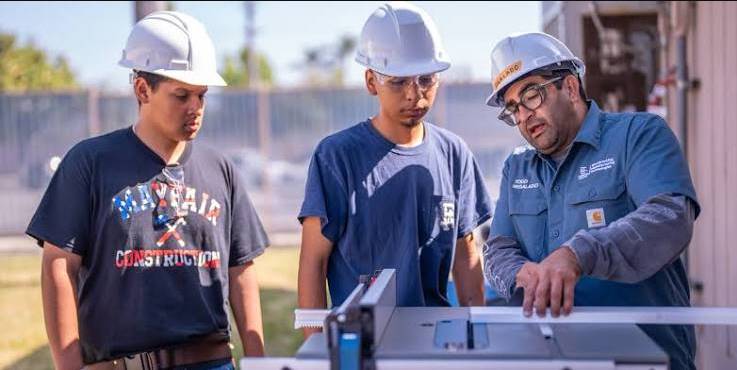
Skip the degree, not the paycheck. For decades, young people have been told that a university degree is the only path to a successful career. But that is simply not true. Across Nigeria and around the world, skilled tradespeople are earning excellent incomes—often more than their degree-holding peers—without the burden of student loans or years of classroom study. Blue collar jobs are in high demand, and the skills are learned through hands-on training, apprenticeships, and experience. This guide lists the top 10 high-paying blue collar jobs that do not require a degree. If you are ready to work hard, learn a trade, and build a secure future, these careers are worth exploring.
Why Blue Collar Jobs Are a Smart Choice
Blue collar jobs offer real advantages that are often overlooked:
No Student Debt. You start earning while you learn. No loans to repay for years after you graduate.
Job Security. Skilled trades cannot be outsourced or replaced by AI. People will always need plumbers, electricians, and builders.
High Earning Potential. Many trades pay as well as or better than white collar jobs, especially once you gain experience or start your own business.
Hands-On Satisfaction. If you enjoy working with your hands, solving problems, and seeing tangible results, blue collar work is deeply fulfilling.
Pathways to Business Ownership. Many tradespeople eventually start their own businesses, becoming their own bosses and earning even more.
The Top 10 High-Paying Blue Collar Jobs
1. Electrician
Electricians install, maintain, and repair electrical systems in homes, offices, factories, and construction sites. It is a skilled trade that requires precision and knowledge of safety standards.
What you do: Install wiring and lighting. Troubleshoot electrical faults. Repair or replace faulty systems. Ensure installations meet safety codes.
Why it pays well: Electricity is essential. Demand is constant. Skilled electricians are always needed.
How to start: Look for apprenticeship opportunities with established electricians. Some technical schools offer electrical installation courses. Learn on the job and gain experience.
Earning potential: Experienced electricians can earn ₦150,000–₦400,000 monthly. Those who start their own businesses earn more.
2. Plumber
Plumbers install and repair water supply, drainage, and sewage systems. It is a trade that requires physical strength, problem-solving skills, and knowledge of building codes.
What you do: Install pipes and fixtures. Repair leaks and blockages. Maintain drainage systems. Install water heaters and appliances.
Why it pays well: Water and sanitation are essential. Good plumbers are always in demand. Emergency repairs command premium rates.
How to start: Find an apprenticeship with an experienced plumber. Join a plumbing company as a trainee. Some technical schools offer plumbing courses.
Earning potential: ₦100,000–₦300,000 monthly for experienced plumbers. Business owners earn significantly more.
3. Welder
Welders join metal parts together using heat. They work in construction, manufacturing, shipbuilding, and automotive industries.
What you do: Read blueprints. Use welding equipment to join metal parts. Inspect completed work for quality. Repair damaged metal structures.
Why it pays well: Welding skills are in high demand across many industries. Good welders are hard to find.
How to start: Take welding courses at technical schools. Look for apprenticeship programmes. Practice regularly to develop skill.
Earning potential: ₦120,000–₦350,000 monthly. Specialized welders (underwater, pipeline) earn much more.
4. Construction Site Supervisor (Foreman)
Construction foremen oversee building projects. They manage workers, schedules, and materials. The role is hands-on but also involves planning and coordination.
What you do: Supervise construction workers. Ensure safety standards. Order materials. Coordinate schedules. Report progress to project managers.
Why it pays well: Good supervisors keep projects on time and on budget. They are essential to successful construction.
How to start: Start as a construction labourer. Learn all aspects of the work. Show leadership and reliability. Work your way up.
Earning potential: ₦150,000–₦400,000 monthly, depending on project size and location.
5. Solar Panel Installer
With Nigeria’s electricity challenges, solar energy is booming. Installers set up solar panels on homes, businesses, and institutions.
What you do: Install solar panels on rooftops or ground mounts. Connect panels to electrical systems. Ensure proper configuration for safety and efficiency.
Why it pays well: Demand for solar is growing rapidly. Skilled installers are in short supply. The work is specialised.
How to start: Take training courses in solar installation. Some organisations offer certification programmes. Start with a solar company as a trainee.
Earning potential: ₦150,000–₦350,000 monthly. Experienced installers can start their own businesses.
6. Heavy Equipment Operator
Heavy equipment operators run bulldozers, excavators, cranes, and other large machines on construction and mining sites.
What you do: Operate heavy machinery. Follow safety protocols. Perform basic maintenance. Read site plans and instructions.
Why it pays well: Skilled operators are essential to construction. Machines are expensive to operate; companies need reliable people.
How to start: Take equipment operator training. Some construction companies train in-house. Start with smaller equipment and build experience.
Earning potential: ₦150,000–₦500,000 monthly, depending on the equipment and project.
7. Refrigeration and Air Conditioning Technician
With rising temperatures, AC repair and installation is a high-demand trade. Refrigeration technicians also work in cold storage, supermarkets, and food distribution.
What you do: Install air conditioning units. Diagnose and repair faults. Maintain refrigeration systems. Charge systems with refrigerant gas.
Why it pays well: Demand is constant and growing. The work is specialised. Good technicians are always needed.
How to start: Take courses in refrigeration and AC technology. Apprentice with an experienced technician. Learn both installation and repair.
Earning potential: ₦100,000–₦300,000 monthly. Business owners can earn significantly more.
8. Carpenter
Carpenters build and repair wooden structures. They work on roofs, furniture, cabinets, doors, and formwork for concrete.
What you do: Read blueprints and drawings. Cut and shape wood. Install structures and fittings. Repair damaged wooden items.
Why it pays well: Good carpenters are always in demand in construction. Custom furniture and cabinetry command premium prices.
How to start: Find an apprenticeship with an experienced carpenter. Learn both rough and finish carpentry. Practice on simple projects first.
Earning potential: ₦80,000–₦250,000 monthly. Highly skilled carpenters and business owners earn more.
9. Tiler
Tilers install ceramic, porcelain, and natural stone tiles on floors, walls, and roofs. It is a skilled trade that requires precision and an eye for detail.
What you do: Prepare surfaces for tiling. Cut tiles to fit. Apply adhesive and place tiles. Grout and seal completed work.
Why it pays well: Good tilers are in high demand for construction and renovation. Beautiful tile work adds significant value.
How to start: Apprentice with an experienced tiler. Learn both floor and wall tiling. Practice cutting and layout techniques.
Earning potential: ₦80,000–₦200,000 monthly. Those who work on luxury projects earn more.
10. Painter and Decorator
Painters and decorators prepare and paint surfaces in homes, offices, and commercial buildings. The work includes both basic painting and more specialised decorative finishes.
What you do: Prepare walls and surfaces. Apply paint, wallpaper, or other finishes. Restore and repair damaged walls. Provide colour consultation.
Why it pays well: Painting is essential for every building. Good decorators who offer quality work and advice are in high demand.
How to start: Apprentice with an experienced painter. Learn about different paints and finishes. Develop an eye for colour and detail.
Earning potential: ₦80,000–₦200,000 monthly. Those who develop a reputation for quality earn more.
How to Start a Blue Collar Career
1. Find an Apprenticeship
Apprenticeships are the traditional route into trades. You learn by working alongside an experienced tradesperson. You get paid while you learn.
How to find one: Ask local tradespeople. Join trade associations. Check with technical schools. Network in your community.
2. Take Training Courses
Many trades offer courses through technical schools or training centres. These give you a head start and make you more attractive to employers.
Where to find courses: Federal and state technical colleges. Private training centres. Online courses for theoretical knowledge.
3. Start as a Labourer
If you cannot find an apprenticeship immediately, start as a general labourer on construction sites. Show initiative, learn from the tradespeople around you, and express interest in learning a specific trade.
4. Invest in Tools
As you gain skills, invest in your own tools. Having quality tools makes you more valuable and allows you to work independently.
5. Build a Reputation
Reliability, honesty, and quality work will take you far. Show up on time. Do the job right. Treat customers with respect. Word-of-mouth will grow your business.
Frequently Asked Questions (FAQ)
Q1: Do I need any qualifications to start these jobs?
A1: Most trades do not require formal qualifications to start. Apprenticeships and on-the-job training are the standard entry routes. Some trades benefit from short courses, but your skills and reliability matter more.
Q2: How long does it take to become skilled in a trade?
A2: Most trades take 2–4 years to become fully skilled through apprenticeship. However, you can start earning after a few months of learning. Your income grows as your skills grow.
Q3: Can I start my own business in a trade?
A3: Yes. Many tradespeople eventually start their own businesses. Once you have skills and experience, you can hire others, take on bigger jobs, and earn significantly more.
Q4: Which trade pays the most in Nigeria?
A4: Electricians, welders, and heavy equipment operators are among the highest paid. Solar panel installers are increasingly in demand and command good rates.
Q5: Is blue collar work physically demanding?
A5: Yes. Most trades require physical strength, standing for long periods, and working in various conditions. Good physical health is important.
Q6: Can women work in these trades?
A6: Yes. Women can and do work in all trades. Some trades like painting, tiling, and AC repair are increasingly common for women.
Q7: Do I need to buy my own tools?
A7: As a trainee, your employer will provide tools. As you become independent, investing in your own tools is essential.
Conclusion
You do not need a university degree to build a successful, well-paid career. The trades listed here offer real opportunities for people willing to learn, work hard, and develop their skills. Whether you choose electrical work, plumbing, welding, or any other trade, you can build a secure future without the burden of student loans.
Start by finding a mentor or apprenticeship. Learn from experienced tradespeople. Practice until you master your craft. Build a reputation for reliability and quality. Over time, you can move from employee to independent contractor to business owner.
Your hands are your greatest asset. Use them well. Start your journey today.