Introduction
Discover how global inflation in 2025 is reshaping daily life. Learn why prices are rising, how it impacts families, and what strategies can help
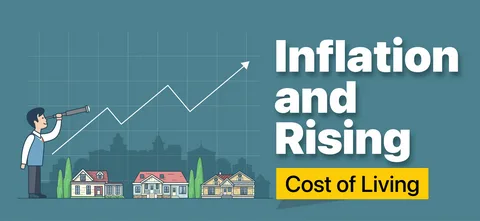
Inflation isn’t just an abstract economic concept you read about in financial reports — it’s a reality shaping how people live, work, and spend money in 2025. From skyrocketing grocery bills to rising mortgage rates, global inflation has become one of the defining challenges of our time. While some economies are managing to stabilize, others are struggling to keep up with persistent price hikes.
In this post, we’ll explore why inflation is rising in 2025, how it impacts daily life across the globe, and what people and businesses are doing to adapt.
What Is Inflation and Why Is It Rising in 2025?
Defining Inflation
Inflation refers to the sustained increase in the general price level of goods and services in an economy over time. Simply put: your money buys less today than it did yesterday.
Key Drivers of 2025 Inflation
-
Post-Pandemic Recovery Costs → Governments worldwide are still managing debt from COVID-19 stimulus measures.
-
Energy Prices → Volatility in oil, natural gas, and renewable energy markets continues to push up costs.
-
Supply Chain Disruptions → Conflicts, trade restrictions, and climate-related disasters slow down production.
-
Currency Fluctuations → A strong US dollar puts pressure on weaker currencies, raising import prices.
How Inflation Affects Everyday Life
Inflation is more than numbers on a government chart — it’s visible in the checkout line, at the gas pump, and even in family decisions.
Food Prices
Groceries are one of the hardest-hit categories. Essentials like bread, rice, and meat have surged in cost, forcing households to adjust diets or buy in smaller quantities.
Housing and Rent
Mortgage interest rates have climbed as central banks raise rates to curb inflation. Renters, especially in cities, are paying more while struggling with stagnant wages.
Transportation
From rising fuel costs to higher airline ticket prices, getting around has become more expensive. In developing countries, this also affects public transport fares.
Healthcare
Medical services, drugs, and insurance premiums have risen globally, straining family budgets and increasing inequality in healthcare access.
Education
Inflation pushes up tuition fees, school supplies, and even the cost of online learning platforms, making education less affordable for many families.
Regional Differences in Inflation
Inflation doesn’t affect every country equally.
-
United States & Europe → Central banks are tightening monetary policies aggressively, but consumers still face high food and housing costs.
-
Africa → Import dependency and weak currencies amplify inflation’s impact, leaving essentials out of reach for many.
-
Asia → Export-driven economies face supply chain shocks, while fast-growing nations balance growth with rising prices.
-
Latin America → Longstanding inflation struggles worsen due to debt, energy dependency, and political instability.
Inflation’s Impact on Businesses
Inflation reshapes corporate strategies just as much as personal finances.
-
Small Businesses: Struggle with raw material costs and reduced consumer demand.
-
Corporations: Pass higher costs onto consumers or automate to cut expenses.
-
Startups: Innovating with fintech, e-commerce, and affordable services to meet consumer demand for value.
Coping Strategies for Families
Families worldwide are adopting creative ways to survive inflation:
-
Budgeting apps to track expenses.
-
Switching to generic brands.
-
Growing food at home (urban gardening).
-
Relying on public transport over private cars.
-
Side hustles or remote work for extra income.
How Governments and Banks Are Responding
-
Central Banks: Raising interest rates to reduce borrowing and cool spending.
-
Governments: Subsidizing food and fuel, expanding social safety nets.
-
International Organizations: Offering aid packages and inflation relief programs for developing nations.
Table: Inflation’s Impact on Daily Expenses (2025 Snapshot)
| Expense Category | 2020 Price (Avg.) | 2025 Price (Avg.) | % Increase |
|---|---|---|---|
| Grocery Basket (weekly) | $75 | $110 | +46% |
| Rent (Urban 2-Bed Apt.) | $1,000 | $1,450 | +45% |
| Gasoline (per liter) | $0.95 | $1.40 | +47% |
| Healthcare Premium (monthly) | $300 | $420 | +40% |
| University Tuition (per year) | $9,000 | $12,500 | +39% |
The Psychological Toll of Inflation
Beyond economics, inflation affects mental health and social stability. Constant worry about bills, fear of job loss, and uncertainty about the future create stress and anxiety. Protests over food and fuel prices have erupted in several countries, underlining how inflation also drives political unrest.
The Future of Global Inflation
Experts predict that while inflation may ease in developed countries by late 2025, emerging economies will continue to face instability. Long-term solutions include:
-
Investment in renewable energy to stabilize fuel costs.
-
Diversified supply chains to reduce reliance on single regions.
-
Digital finance tools for better household and business money management.
Conclusion
Global inflation in 2025 isn’t just an economic issue — it’s a human issue. It dictates what families eat, where they live, how they travel, and whether they can afford healthcare or education. While governments and banks struggle to tame rising prices, ordinary people adapt with resilience and creativity.
The bottom line? Inflation is reshaping everyday life — and learning to navigate it has become a survival skill in the modern economy.
