Introduction
Explore how TikTok is creating the next generation of celebrities. From viral dances to global stardom, discover how social media is reshaping fame in 2025.
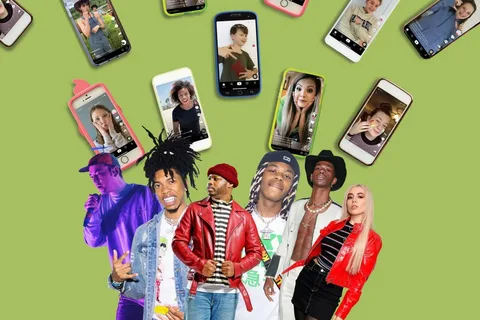
Not too long ago, the path to stardom was limited to Hollywood red carpets, record labels, and exclusive casting calls. Celebrities were carefully curated by entertainment industry gatekeepers who decided who got to be famous and who faded into obscurity. Fast forward to 2025, and the script has flipped completely. Today, a teenager with a smartphone and a clever idea can become a global celebrity overnight, thanks to platforms like TikTok.
TikTok isn’t just a fun app for dance challenges or memes anymore — it has become a launchpad for the next generation of celebrities, democratizing fame and rewriting the rules of the entertainment industry. The rise of TikTok stars has disrupted everything we thought we knew about celebrity culture. Musicians, fashion icons, comedians, and influencers are now born not in Hollywood studios but in the bedrooms of ordinary people across the globe.
In this blog, we’ll explore the fascinating journey from TikTok to stardom — how social media creates celebrities, what makes TikTok unique, the opportunities and challenges that come with internet fame, and how this shift is shaping industries from music to fashion. We’ll also dig into the darker side of this new celebrity culture and what the future may hold for creators and audiences alike.
The Evolution of Celebrity Culture
Traditional Celebrity System
For decades, celebrities were created and sustained by traditional media powerhouses. Hollywood studios, television networks, and music record labels had near-total control over who became a star. Fame required years of auditions, networking, and luck. Exposure came through magazines, TV appearances, blockbuster films, and radio plays.
Being a celebrity was a privilege reserved for the few. Actors like Tom Cruise, musicians like Madonna, and athletes like Michael Jordan became global household names through this controlled system. But it was also exclusive and hierarchical — you needed industry connections, significant resources, and often sheer luck.
The Rise of Reality TV and YouTube
In the early 2000s, cracks began to appear in this old system. Reality TV shows like American Idol, Big Brother, and Keeping Up with the Kardashians shifted the spotlight to ordinary people who became famous by letting cameras into their lives. Fame became more accessible, but still filtered through network executives.
Then came YouTube. Launched in 2005, YouTube was revolutionary because it gave anyone with a camera and internet access the ability to publish content and build an audience. Creators like PewDiePie, Shane Dawson, and Lilly Singh proved that digital-native stars could rival traditional celebrities in fame and income. YouTube blurred the line between amateur and professional entertainment.
TikTok’s Role in Disrupting the Celebrity Pipeline
If YouTube was a gradual shift, TikTok was an earthquake. Its unique algorithm didn’t just reward creators with existing audiences — it made anyone discoverable. A single video could reach millions overnight. TikTok collapsed the barrier to entry almost entirely.
Now, celebrity wasn’t chosen by gatekeepers — it was chosen by algorithms and audiences. This democratization of fame is why TikTok has become the definitive celebrity factory of the 2020s.
Why TikTok Became the Celebrity Launchpad
Algorithm Power
TikTok’s algorithm is its secret sauce. Unlike Instagram or YouTube, where follower counts heavily influence reach, TikTok allows even brand-new creators to go viral. The “For You Page” (FYP) curates content based on behavior, not status. That means your video could appear next to content from world-famous influencers, giving you an equal shot at fame.
Accessibility
Becoming a TikTok creator requires almost nothing: a smartphone, internet, and creativity. There’s no need for expensive production equipment or Hollywood connections. A teenager in Lagos, Mumbai, or rural America has the same chance of reaching millions as someone in Los Angeles.
Global Reach
TikTok operates in more than 150 countries, with over a billion active users. This global stage means creators from anywhere can become international celebrities. Khaby Lame, a Senegalese-born creator living in Italy, became a worldwide star without saying a word, relying on facial expressions and humor that transcended language barriers.
Short-Form Content Appeal
In an era of shrinking attention spans, TikTok’s 15–60 second videos are perfectly suited for quick entertainment. Virality is easier because users can watch dozens of videos in a single sitting, creating more opportunities for content to spread.
Case Studies: TikTokers Who Became Global Celebrities
Charli D’Amelio
Charli D’Amelio started by posting dance videos in her bedroom. Within a year, she became the first TikTok creator to hit 100 million followers. Today, she’s more than just a TikTok star — she’s a brand, with partnerships, a reality show, and even a perfume line.
Khaby Lame
Khaby’s silent comedy skits mocking overly complicated “life hacks” earned him global fame. His relatability and universal humor made him TikTok’s most-followed creator. He’s now collaborating with fashion brands, appearing at Cannes, and making millions through sponsorships.
Addison Rae
Addison Rae leveraged her TikTok fame into mainstream success, starring in a Netflix movie (He’s All That) and releasing music. She’s an example of how TikTokers are crossing over into traditional entertainment.
Bella Poarch
Bella became famous for her lip-sync videos, particularly one that became TikTok’s most-liked video ever. She used her fame to launch a successful music career, with her debut single “Build a B*tch” reaching global charts.
Emerging Stars
New creators rise daily — from beauty influencers in South Korea to comedians in Nigeria. TikTok constantly refreshes the celebrity pool, keeping audiences hooked on the next big star.
The Business of Social Media Stardom
Monetization Streams
TikTokers make money through:
-
Brand deals and influencer marketing.
-
Merchandise and product lines.
-
Live-stream gifts and donations.
-
Cross-platform monetization (YouTube ad revenue, Instagram sponsorships).
Sponsorships and Endorsements
Big brands are shifting advertising budgets from traditional celebrities to TikTok creators. Why? Because TikTok influencers often have deeper engagement and trust with their audiences.
The Creator Economy in Numbers
By 2025, the global creator economy is worth over $100 billion, with TikTok at the center. Influencers command fees that rival Hollywood actors for endorsements.
Competing with Traditional Celebrities
TikTok stars are no longer “internet famous” — they’re simply famous. They attend red-carpet events, appear in commercials, and get invited to the Met Gala. The line between influencer and celebrity has officially blurred.
The Psychology of TikTok Fame
Parasocial Relationships
Fans feel like they “know” TikTokers more than traditional celebrities. Daily content creates intimacy, making followers fiercely loyal.
Relatability of Gen Z
Gen Z audiences often say they relate more to TikTokers than Hollywood stars because they seem authentic and approachable.
Authenticity vs. Performance
TikTok rewards “realness.” Unlike Instagram’s polished aesthetic, TikTok thrives on imperfections, humor, and unfiltered moments.
Algorithms Shaping Perception
The algorithm doesn’t just deliver content; it shapes which personalities become relatable and popular. In a way, TikTok engineers celebrity identities.
The Dark Side of TikTok Stardom
Burnout
Creating daily content to satisfy algorithms leads to exhaustion and burnout. Many TikTokers openly discuss the mental health toll.
Privacy Invasion
As fame grows, privacy vanishes. Young creators often face harassment and unwanted attention.
Cancel Culture
One misstep can lead to a massive online backlash, with careers ending as fast as they began.
Short Lifespan of Fame
TikTok fame is often fleeting. Today’s star could be forgotten tomorrow if they fail to adapt.
TikTok and the Music Industry
Viral Songs
TikTok has become the new radio. A song going viral on TikTok can instantly land on Billboard charts.
Record Labels Using TikTok
Labels now actively market songs by encouraging influencers to use them in videos.
Case Studies
-
Lil Nas X (Old Town Road).
-
Doja Cat (Say So).
-
Olivia Rodrigo (Drivers License).
Independent Artists
TikTok allows unsigned artists to build careers without traditional labels.
TikTok and Fashion/Beauty Influence
Trends Going Viral
From “E-girl” style to DIY fashion hacks, TikTok drives global fashion trends.
Beauty Influencers
Makeup artists and skincare reviewers gain millions of followers, launching product lines.
Collaborations
High fashion houses like Prada and Dior now collaborate with TikTok stars.
TikTok as the New Runway
Fashion weeks and campaigns are increasingly designed for TikTok virality.
Globalization of Celebrity Culture Through TikTok
Non-English Creators
Creators from Latin America, Africa, and Asia are gaining global recognition thanks to TikTok’s visual nature.
Breaking Language Barriers
Comedy, dance, and lip-sync transcend language, making fame truly global.
International Brands
Global companies now hire local TikTok influencers for regional campaigns.
How Brands are Capitalizing on TikTok Stars
Influencer Marketing
Brands use TikTok influencers for product launches, challenges, and hashtag campaigns.
Micro-Influencers
Even smaller creators with 10k–50k followers drive strong ROI because of niche loyalty.
ROI of TikTok Ads
TikTok ads have some of the highest engagement rates in the social media ecosystem.
Long-Term Partnerships
Brands are increasingly signing multi-year deals with creators, treating them like traditional celebrities.
The Future of TikTok Stardom
AI & Virtual Influencers
AI-generated avatars are already gaining followers, competing with human creators.
Competition from Other Platforms
YouTube Shorts and Instagram Reels are fighting to steal TikTok’s dominance.
Hollywood Crossover
Will TikTokers become the next Hollywood stars? Some already are.
Predictions
In 5 years, celebrity may be defined by cross-platform influence, not a single medium.
Lessons for Aspiring Creators
Building a Personal Brand
Consistency, storytelling, and authenticity are key.
Consistency & Storytelling
Daily posting builds momentum. Storytelling keeps people engaged.
Navigating Virality
Viral fame is unpredictable — creators must be ready to capitalize quickly.
Balancing Mental Health
Fame without balance can destroy creators. Prioritizing wellness is critical.
Conclusion
The celebrity world is no longer shaped exclusively by Hollywood studios or record labels. TikTok has put the power of fame in the hands of everyday people, changing who becomes a star and how.
From Charli D’Amelio’s dances to Khaby Lame’s silent comedy, TikTok proves that creativity and relatability matter more than industry connections. While this new path to stardom brings both incredible opportunities and real challenges, one thing is clear: the next generation of celebrities is being born online.
So, if you’ve ever dreamed of being famous, remember: the stage is already in your pocket. All you need is a phone, creativity, and the courage to hit “post.”