Don’t let one lawsuit ruin your dream. You have worked hard to build your business. You have invested time, money, and countless hours. But have you thought about what happens if something goes wrong? A customer slips and falls in your shop. A fire destroys your inventory. An employee gets injured on the job. A client sues you for a mistake you made. Without the right insurance, any of these events could wipe out everything you have built. This guide explains what small business insurance is, what coverage you actually need, and how to get the best rates without overpaying.
What Is Small Business Insurance?
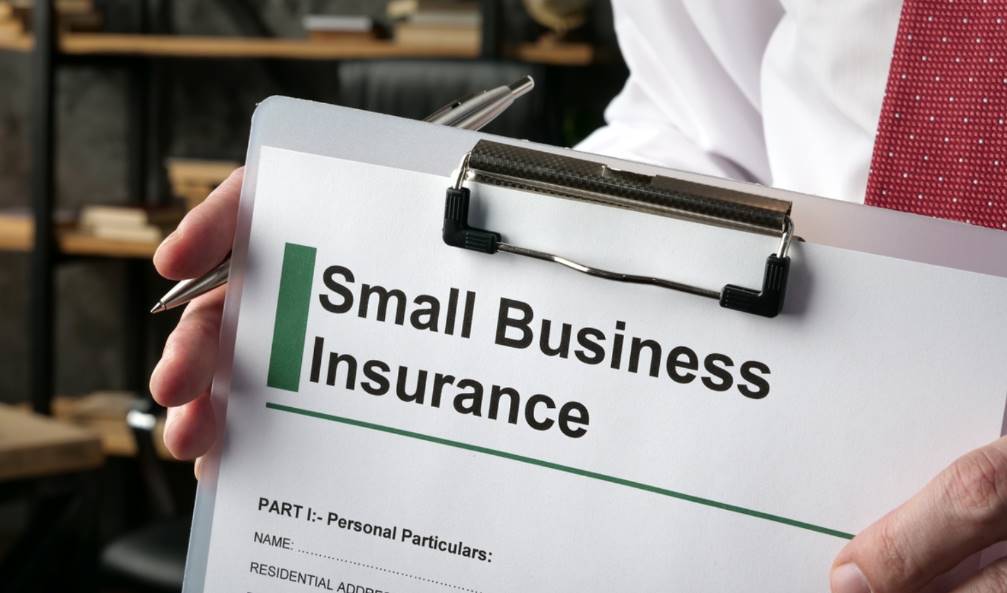
Small business insurance is a collection of policies that protect your business from financial losses. You pay a regular premium. In return, the insurance company agrees to pay for covered losses, such as property damage, lawsuits, medical bills, or lost income.
For many small business owners, insurance feels like an unnecessary expense—until they need it. Then it is priceless.
Why You Cannot Afford to Skip Insurance
Lawsuits Are Expensive. Even if you win a lawsuit, legal fees can run into millions of naira. Insurance covers these costs.
Your Personal Assets Are at Risk. If you are a sole proprietor, your personal savings, car, and even your home could be seized to pay business debts or lawsuit judgments. Insurance protects your personal wealth.
Some Clients Require It. Many larger companies and government agencies require proof of insurance before they will work with you. Without it, you lose contracts.
It Gives You Peace of Mind. When you are covered, you can focus on growing your business instead of worrying about what might go wrong.
Types of Small Business Insurance
Not every business needs every type of insurance. Here are the most common policies and who needs them.
1. Public Liability Insurance
Public liability insurance covers you if someone is injured or their property is damaged because of your business activities. If a customer slips on a wet floor in your shop, this policy pays for their medical bills and any legal costs if they sue.
Who needs it: Any business that interacts with the public. Shops, restaurants, salons, offices, and contractors all need this coverage.
Typical cost: ₦50,000 to ₦200,000 annually, depending on business size and risk level.
2. Professional Indemnity Insurance
Professional indemnity (also called errors and omissions) insurance covers you if a client claims your advice or service caused them financial loss. If you are a consultant, architect, accountant, or IT professional and a client says your work cost them money, this policy covers your legal defence and any damages awarded.
Who needs it: Any business that provides advice, designs, or professional services. Consultants, accountants, lawyers, architects, engineers, IT professionals, and marketing agencies.
Typical cost: ₦30,000 to ₦150,000 annually, depending on profession and coverage limit.
3. Property Insurance
Property insurance covers your building, equipment, inventory, and furniture if they are damaged or destroyed by fire, flood, theft, or other covered events. If you rent your space, you still need coverage for your contents—your landlord’s insurance does not cover your belongings.
Who needs it: Any business with physical assets. Retail shops, restaurants, offices, warehouses, and manufacturers.
Typical cost: 0.5% to 1% of the insured value annually. For ₦5 million worth of equipment and inventory, expect ₦25,000 to ₦50,000 per year.
4. Business Interruption Insurance
Business interruption insurance replaces lost income if your business has to close temporarily due to a covered event like a fire. It covers ongoing expenses like rent and salaries while you rebuild.
Who needs it: Businesses that would struggle to survive a week-long closure. Restaurants, retail shops, and service businesses have high fixed costs.
Typical cost: Often bundled with property insurance, adding 10–20% to that premium.
5. Workers’ Compensation Insurance
Workers’ compensation covers medical expenses and lost wages if an employee is injured on the job. It also protects you from being sued by the injured employee. In Nigeria, employers with five or more employees are required to have workers’ compensation under the Employees’ Compensation Act.
Who needs it: Any business with employees. Even if you have one employee, you should have this coverage.
Typical cost: Based on your industry and payroll. High-risk industries like construction pay more. Low-risk industries like retail pay less.
6. Product Liability Insurance
Product liability insurance covers you if a product you sell causes injury or damage. If you manufacture, distribute, or even resell products, this coverage protects you from claims related to product defects.
Who needs it: Manufacturers, distributors, retailers, and food businesses.
Typical cost: Often included in general liability policies or available as an add-on.
7. Cyber Liability Insurance
If your business stores customer data, email addresses, or payment information, you are at risk of a data breach. Cyber liability insurance covers the costs of notifying affected customers, legal fees, and recovery expenses.
Who needs it: Any business that stores customer information, accepts online payments, or uses computers for critical operations. That is most businesses today.
Typical cost: ₦50,000 to ₦200,000 annually, depending on data volume and industry.
8. Director and Officer (D&O) Insurance
This policy protects company directors and officers from personal losses if they are sued for decisions made on behalf of the company. You must have outside investors or a board of directors.
Who needs it: Businesses with a formal board of directors or outside investors.
Typical cost: Varies widely based on company size and risk.
How Much Insurance Do You Actually Need?
The right coverage depends on your business type, size, and risk level. Here is a general guide.
Home-Based Business (Freelancer, Consultant):
-
Professional indemnity insurance
-
Possibly public liability if clients visit your home
-
Property insurance for your equipment
Retail Shop or Restaurant:
-
Public liability insurance
-
Property insurance (building and contents)
-
Workers’ compensation (if you have staff)
-
Business interruption insurance
-
Product liability insurance
Contractor or Tradesperson:
-
Public liability insurance
-
Workers’ compensation (if you have employees)
-
Property insurance for tools and equipment
-
Vehicle insurance for work vehicles
Professional Services (Consultant, Accountant, Lawyer):
-
Professional indemnity insurance
-
Public liability insurance
-
Cyber liability insurance (if you store client data)
Manufacturer:
-
Product liability insurance
-
Property insurance
-
Workers’ compensation
-
Public liability
How to Get the Best Insurance Rates
Shop Around. Get quotes from at least three insurers. Nigerian insurance companies include Leadway, AIICO, AXA Mansard, and others. Compare both price and coverage.
Bundle Policies. Many insurers offer discounts if you buy multiple policies from them. A combined policy for property, liability, and business interruption is often cheaper than buying separately.
Increase Your Excess. The excess (or deductible) is the amount you pay before insurance kicks in. A higher excess means lower premiums. Just make sure you can afford the excess if you need to claim.
Maintain Good Records. Insurers prefer businesses with clean claims histories. If you have never claimed, highlight that.
Ask About Industry Discounts. Some insurers offer discounts for specific industries or for being a member of a business association.
What to Do If You Need to Make a Claim
Report Immediately. Notify your insurer as soon as an incident occurs. Most policies have time limits for reporting.
Document Everything. Take photos, collect witness statements, and keep receipts for any emergency repairs.
Do Not Admit Fault. Do not tell anyone the incident was your fault. Let the insurance company investigate and determine liability.
Keep Records. Track all communications with your insurer. Note who you spoke to and when.
Frequently Asked Questions (FAQ)
Q1: Is small business insurance legally required in Nigeria?
A1: Workers’ compensation is mandatory if you have five or more employees. Public liability is required for some industries. Otherwise, insurance is not legally required—but it is financially essential.
Q2: How much does small business insurance cost?
A2: A small business with basic coverage can expect to pay ₦50,000 to ₦200,000 annually. This varies widely based on business type, size, and coverage limits.
Q3: What if I work from home? Do I need business insurance?
A3: Yes. Your home insurance does not cover business equipment or business-related liability. You need separate coverage.
Q4: Can I get insurance if my business is just starting?
A4: Yes. Many insurers offer policies for new businesses. You may need to provide a business plan or proof of registration.
Q5: What is the difference between public liability and professional indemnity?
A5: Public liability covers physical injury or property damage. Professional indemnity covers financial loss from advice or services.
Q6: How do I choose an insurance company?
A6: Look for a company registered with NAICOM (National Insurance Commission). Check reviews, ask other business owners for recommendations, and compare quotes.
Q7: What if I cannot afford all the coverage I need?
A7: Start with the most critical coverage for your business type. For most businesses, that is public liability and property insurance. Add other coverage as your business grows.
Conclusion
Insurance is not an expense—it is protection for everything you have worked for. The right coverage ensures that one accident, one lawsuit, or one fire does not destroy your dream. Assess your risks, get quotes from reputable insurers, and buy the coverage that matches your business type.
Do not wait until something goes wrong. Protect your business today so you can focus on what matters most: building your future.