Making your own money for the first time is exciting. It feels like freedom. But this is also the time when small money mistakes can create big problems later. Many young adults learn about money the hard way—by making expensive errors.
The good news? You can learn from others. By avoiding these common traps early, you can protect your money, build wealth, and set yourself up for a secure future. Let’s look at the top 7 mistakes and, more importantly, how to avoid them.
1. Living Without a Plan (Budget)
The Mistake: Spending your salary as soon as you get it, with no record of where it goes. You tell yourself you’ll save “what’s left,” but nothing is ever left at the end of the month.
Why It Hurts: You work hard for your money, but it controls you. You can’t save for goals, and surprise expenses cause stress.
The Simple Fix: Use the 50/30/20 rule as a start.
-
50% of your income goes to Needs (rent, food, transport, bills).
-
30% goes to Wants (eating out, movies, new clothes).
-
20% goes to Future You (savings, investing, debt payment).
Use a simple app or note on your phone to track for just one month. You will see exactly where your money goes.
2. Trying to Keep Up with Social Media
The Mistake: Spending money on expensive clothes, trips, or gadgets just to look successful on Instagram or TikTok. You see friends’ highlight reels and feel pressure to match their lifestyle.
Why It Hurts: You spend money you don’t have to impress people you may not even like. This leads to debt and zero real savings. Real wealth is what you don’t see—money in the bank, not a bag in a photo.
The Simple Fix: Unfollow accounts that make you feel poor. Remember, social media is a show. Set your own real-life goals (like saving for a course or your own apartment) and focus on them.
3. Ignoring the Small, Daily Spending
The Mistake: Thinking, “It’s just ₦500 for coffee” or “₦3,000 for takeout is no big deal.” You don’t see these small buys as real money.
Why It Hurts: Small leaks sink big ships. Spending ₦1,500 every workday on lunch is ₦30,000 a month! That’s rent money for many.
The Simple Fix: For two weeks, write down every single thing you buy, no matter how small. Add it up. You will be shocked. Then, choose one or two small expenses to cut back on and save that money automatically.
4. Using “Buy Now, Pay Later” Like It’s Free Money
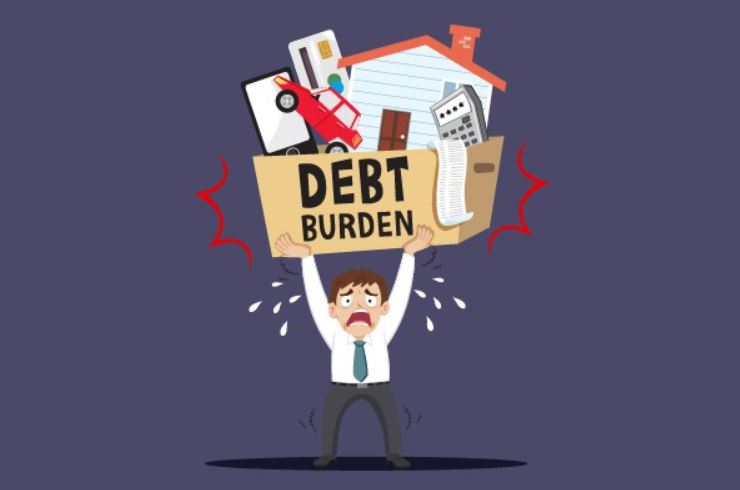
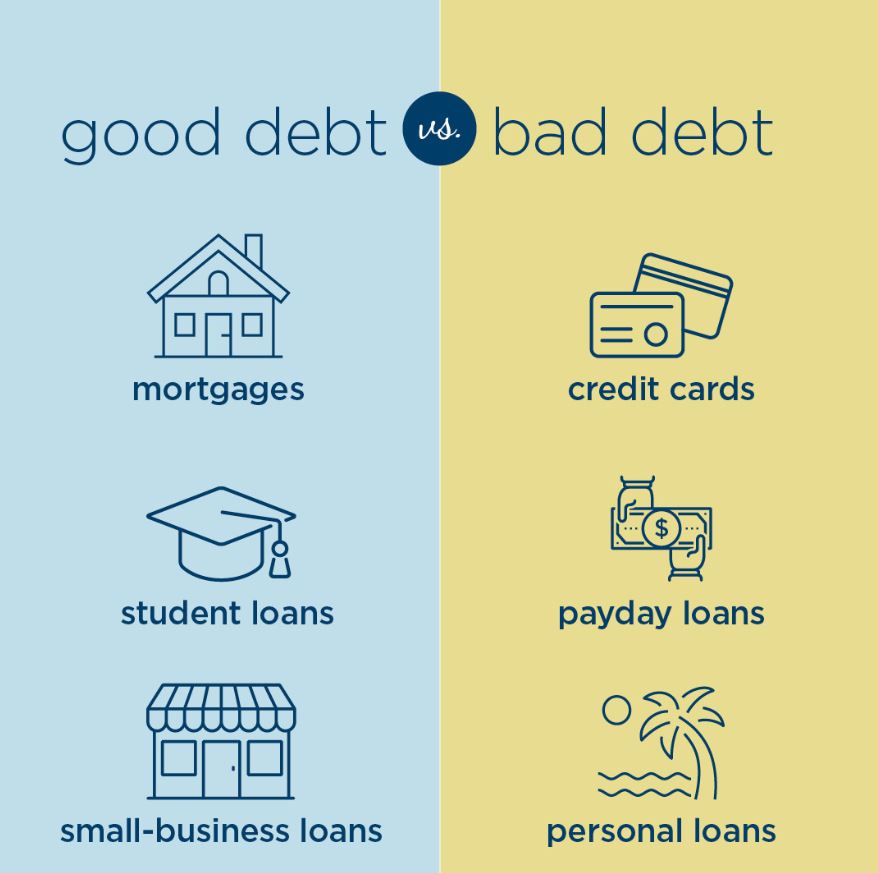
The Mistake: Using credit cards, Klarna, or other “buy now, pay later” plans for things you can’t afford right now. You only see the small monthly payment.
Why It Hurts: The interest fees are very high. A ₦50,000 phone can cost ₦70,000 by the time you finish paying. If you miss a payment, your credit score is damaged, making future loans (for a car or house) difficult and expensive.
The Simple Fix: If you can’t pay for it in cash today, you can’t afford it. Save first, then buy. If you must use a credit card, pay the full balance every single month before interest is charged.
5. Having No Emergency Fund
The Mistake: Spending all your income and having zero money saved for unexpected problems.
Why It Hurts: When an emergency happens—a hospital bill, a lost phone, a family need—you have no choice but to borrow money at high interest or beg from family. This puts you in a debt trap or a stressful situation.
The Simple Fix: Build a “Do Not Touch” emergency fund. Aim to save 3-6 months of your basic living expenses. Start small with ₦5,000 or ₦10,000 a month. Keep this money in a separate bank account, not your main spending account.
6. Waiting Too Long to Start Investing
The Mistake: Thinking you need to be “rich” or “know everything” about the stock market to start investing. So you wait, and your saved money loses value to inflation.
Why It Hurts: Time is your greatest wealth-building tool. Starting to invest even ₦10,000 a month at age 25 is infinitely more powerful than starting ₦50,000 a month at age 40. Your money needs time to grow.
The Simple Fix: Start learning now. Use simple, low-cost tools. In Nigeria, you can start with mutual funds offered by banks or investment apps like Cowrywise or Bamboo. You don’t need much to begin. Just begin.
7. Not Investing in Yourself
The Mistake: Seeing education and skill-building as a cost, not the best investment you can ever make.
Why It Hurts: Your earning power from your job is your biggest source of wealth for decades. Not improving your skills means your income stays flat while costs go up.
The Simple Fix: Every year, use some money to learn. Take an online course, get a professional certificate, buy books, or attend a workshop. This investment in yourself will increase your salary, which is better than any other investment return.
Conclusion
Financial freedom doesn’t start with a huge salary. It starts with good habits and smart choices when you are young. Avoid these seven common mistakes. Make a simple plan, spend on what truly matters, save for emergencies, and start investing—both in the market and in yourself.
The money steps you take in your 20s will define your comfort in your 30s, 40s, and beyond. Start today.
Frequently Asked Questions (FAQs)
1. I’m already in debt from some of these mistakes. What do I do now?
Stop adding new debt first. Then, use the “Debt Snowball” method: List all your debts from smallest to largest. Pay the minimum on all, but put any extra money toward the smallest debt until it’s gone. Then move to the next smallest. The feeling of paying off a whole debt will motivate you.
2. How much should I really be saving from my salary?
Start with the 20% from the 50/30/20 rule. If that’s too hard, start with just 5% or 10%. The most important thing is to build the habit. Set up an automatic transfer on the day you get paid, so you save before you even see the money.
3. Is it wrong to enjoy my money while I’m young?
No! It is not wrong. The goal is balance. The mistake is only enjoying today with no plan for tomorrow. Follow your budget: spend your “Wants” money (30%) guilt-free on fun things. Just make sure your “Future You” money (20%) is safe first. This way, you enjoy today and secure tomorrow.