How to build wealth from scratch in Nigeria. This idea can feel like a fairy tale when you’re starting from zero, facing rising prices, and maybe living paycheck to paycheck. But wealth-building isn’t a magic trick reserved for the already-rich or those with connections. It’s a systematic process of behaviors and choices that, when applied consistently, can transform your financial reality. This guide breaks down wealth creation into actionable, step-by-step phases—from mastering your mindset to making your money work for you—so you can start your journey from zero to financial security and beyond.
The Foundational Mindset: Wealth is a Marathon, Not a Sprint
Before you save a single Naira, internalize this: Building wealth is not about getting rich quickly. It’s about disciplined habits, delayed gratification, and consistent execution over time. It’s a game of persistence, not luck. Your most powerful asset is time, and the second most powerful is your income-generating ability.
Phase 1: The Foundation – Get Control of Your Cash Flow (Months 0-6)
You cannot build a skyscraper on mud. Your financial foundation is a positive cash flow (earning more than you spend) and an emergency fund.
Step 1: Track Every Kobo & Create a Brutally Honest Budget.
-
Action: For one month, record every single expense, no matter how small. Use a notebook or an app like Money Manager.
-
Goal: Identify “leaks”—recurring small spends (daily snacks, impulse buys, unused subscriptions) that add up to thousands monthly.
-
Create a 50/30/20 Budget (Adapted for Starters):
-
50% Needs: Rent, food, transport, and minimum debt payments.
-
30% Wants: Controlled spending on fun, eating out, etc.
-
20% Savings & Debt Elimination: This is your wealth-building engine. If you have high-interest debt (loan apps, credit cards), use most of this 20% to attack it first.
-
Step 2: Build Your “Don’t-Touch-Me” Emergency Fund.
-
Goal: Save 3-6 months of your “Needs” expenses. Start with a mini-goal of ₦50,000 or ₦100,000.
-
Where: In a separate, dedicated savings account (e.g., a high-yield savings account on PiggyVest or a different bank from your main account). This money is for true emergencies only (medical crisis, sudden job loss, critical car repair), not for travel or gadgets.
Phase 2: The Acceleration – Eliminate Debt & Increase Your Income (Months 6-18)
With a budget and a starter emergency fund, you now have breathing room to accelerate.
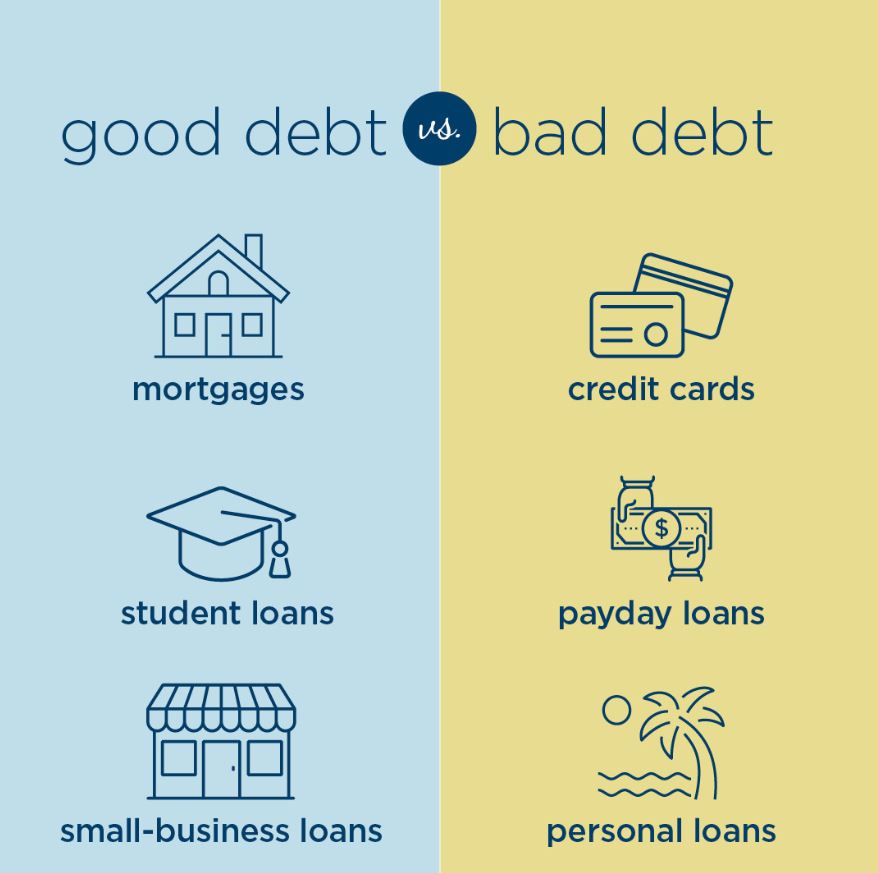
Step 3: Annihilate High-Interest “Bad” Debt.
-
Strategy: Use the Debt Snowball Method. List all debts from smallest balance to largest. Pay minimums on all, but throw every extra kobo at the smallest debt until it’s gone. Then move to the next smallest. The psychological wins build momentum.
-
Priority: Crush loan app debts (FairMoney, Carbon, etc.) and credit card balances FIRST. Their interest rates (often 30%+ annually) are wealth destroyers.
Step 4: Aggressively Increase Your Earning Power.
Your salary is the fuel for your wealth engine. To get more fuel, you must increase your value.
-
Upskill for a Higher Salary: Identify one high-demand, high-income skill in your field (e.g., Data Analysis, Digital Marketing, UX Design, Project Management (PMP)). Invest in a certification and use it to negotiate a raise or find a better-paying job.
-
Start a Side Hustle: Use a skill you have (baking, writing, graphic design, virtual assistance) to generate extra income. Funnel 100% of side hustle income into your emergency fund or investments.
Phase 3: The Growth – Start Investing Consistently (Month 18+)
This is where your money starts working for you 24/7. Start as soon as you have no high-interest debt and a solid emergency fund.
Start with These Accessible Nigerian Investment Avenues:
-
Stock Market (Long-Term Growth):
-
How: Open a brokerage account with a firm like Stanbic IBTC Stockbrokers, Meristem, or Chapel Hill Denham. You can buy shares of solid Nigerian companies (Dangote Cement, MTN, GTBank, Nestlé) or through Mutual Funds and Exchange-Traded Funds (ETFs) for diversification.
-
Mindset: Think “buy and hold for 5+ years,” not day-trading.
-
-
Fixed Income & Government Instruments (Lower Risk):
-
Treasury Bills (T-Bills): Lend money to the government for 91, 182, or 364 days. Lower risk, decent returns. Can be bought through your bank or platforms like FBNQuest.
-
Bonds: Longer-term government or corporate debt instruments.
-
-
Real Estate (Tangible Asset – Start Small):
-
You don’t need millions. Start with Real Estate Investment Trusts (REITs) like Union Homes REIT or Skye Shelter Fund. You buy shares and own a piece of a property portfolio.
-
Future Goal: Use your growing capital for land banking in developing areas or a small rental property.
-
-
Digital Investment Platforms (Easy Entry):
-
Platforms like Cowrywise, Rise (by Risevest), and Bamboo allow you to invest in dollar-denominated assets (US stocks, bonds) and local instruments with small amounts. Excellent for beginners.
-
The Golden Rule of Investing: Pay Yourself First.
Set up an automatic transfer to your investment account immediately after you receive any income. Start with as little as ₦5,000 or ₦10,000 monthly. Consistency beats timing.
Phase 4: The Protection & Optimization – Secure Your Wealth
-
Get Basic Insurance: If your job doesn’t offer it, get basic health insurance (NHIS) and term life insurance if you have dependents. This prevents a single catastrophe from wiping out your savings.
-
Write a Will: Protect the assets you’re building for your loved ones.
-
Continuous Financial Education: Read books, follow reputable finance blogs, and stay informed. Your financial IQ is your greatest shield against scams and poor decisions.
Frequently Asked Questions (FAQ)
Q1: How can I invest when my salary is so small, and everything is expensive?
A1: Start with 1%. The habit is more important than the amount. If you earn ₦100,000, save and invest ₦1,000 this month. Next month, make it 2%. Use micro-investment apps that allow you to invest spare change. The power of compound interest over time means your small, consistent contributions will grow significantly.
Q2: Is it better to pay off debt or start investing first?
A2: Follow this order: 1) Build a small emergency fund (₦50k). 2) Aggressively pay off all high-interest debt (anything above 15% interest). 3) Complete your full emergency fund (3-6 months’ expenses). 4) Begin investing consistently. Paying off a 30% loan is a guaranteed 30% return on your money—you can’t beat that in the market reliably.
Q3: What’s the safest investment for a beginner in Nigeria?
A3: For absolute capital preservation, a high-yield savings account (like PiggyVest’s Target Savings) or Treasury Bills are very safe. For a beginner looking for growth with some risk, a diversified Mutual Fund or a low-cost index-tracking ETF on the Nigerian stock exchange is a good start.
Q4: How do I avoid scams promising “guaranteed high returns”?
A4: If it sounds too good to be true, it is. Avoid any scheme promising returns like “50% monthly” or “double your money in 6 months.” Stick to regulated, transparent platforms (SEC-regulated for stocks, CBN-licensed for banks/fintech). Never invest in something you don’t understand.
Q5: I have family members who constantly ask for financial help. How do I manage this?
A5: Set loving boundaries. You can’t build wealth if you’re everyone’s bank. Create a specific, small budget for family support within your “Needs” category. Once it’s given, you can politely say, “I’ve allocated what I can for this month.” Your long-term stability will allow you to be a better help in the future.
Your 5-Year Wealth-Building Milestone Map
-
Year 1: Emergency Fund complete. High-interest debt cleared. Budget is a habit.
-
Year 2: Consistent investing underway (₦X monthly). Earning power increased by 20%+ through upskilling.
-
Year 3: Investment portfolio growing. An additional income stream (side hustle) is active.
-
Year 4: Exploring larger investments (REITs, land). Net worth is positive and climbing.
-
Year 5: Financial security. Your money is working for you, providing options and peace of mind.
Building wealth from scratch in Nigeria is a journey of a thousand steps, but you only need to focus on the next one. By committing to this systematic process—controlling your cash, killing debt, boosting income, and investing consistently—you are not just saving money; you are buying your future freedom and options. Will you take the first step and track your spending this week?