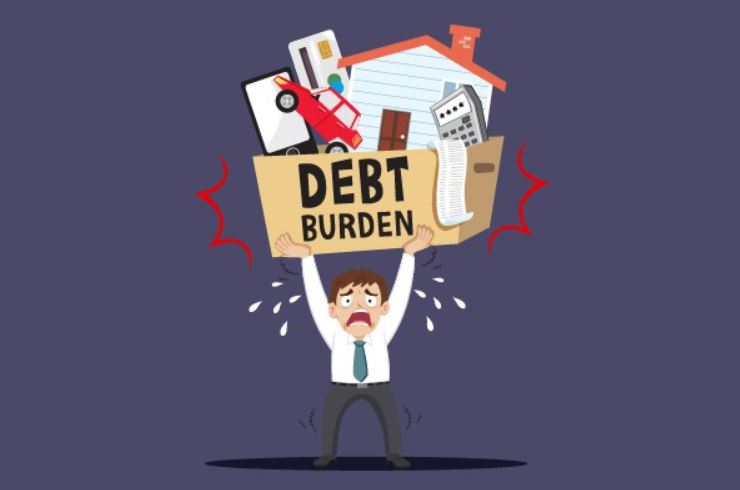
What to do when you can’t pay your loan back is a question many Nigerians are quietly asking today. With rising living costs, unstable income, and unexpected emergencies, loan repayment can quickly become overwhelming. Whether the loan came from a bank, cooperative, microfinance institution, digital lending app, or even a trusted friend, missing payments can create serious stress and long-term consequences if not handled properly.
This detailed guide explains what to do when you can’t pay your loan back, using clear examples, Nigerian realities, and practical steps you can take to reduce pressure, protect your reputation, and regain financial control.
Why Loan Repayment Problems Are Common in Nigeria
Many Nigerians borrow with good intentions, but later struggle due to factors such as job loss, business slowdown, health emergencies, inflation, or poor financial planning. Digital loan apps have also made borrowing very easy, often without proper guidance on repayment responsibility.
Common reasons people fail to repay loans include:
- Sudden loss of income
- Overborrowing from multiple lenders
- High interest rates
- Poor budgeting
- Emergency family expenses
- Unrealistic repayment timelines
Understanding the cause of the problem is the first step toward solving it.
What to Do When You Can’t Pay Your Loan Back
Acknowledge the Problem Early
The worst thing you can do is ignore the situation. Once you realize you may miss a payment, accept the reality and act immediately. Delaying action often leads to penalties, increased interest, harassment from lenders, and damage to your credit record.
Early action gives you more options and shows lenders that you are responsible and willing to cooperate.
Review Your Loan Details Carefully
Before taking any step, understand exactly what you owe. Go through your loan agreement and confirm:
- Outstanding balance
- Interest rate
- Penalties for late payment
- Repayment deadline
- Restructuring options
Many borrowers panic without knowing the actual figures involved. Clarity helps you negotiate better.
Contact Your Lender Immediately
One of the smartest things to do when you can’t pay your loan back is to communicate early. Most banks, cooperatives, and even some loan apps prefer honest communication to silence.
When contacting your lender:
- Explain your situation calmly
- Be honest about your inability to pay
- Ask about restructuring or extension options
- Propose a realistic repayment plan
According to financial consumer protection guidelines shared by the Central Bank of Nigeria, early engagement with lenders often leads to better outcomes for borrowers.
Request Loan Restructuring or Payment Extension
Many lenders offer solutions such as:
- Extended repayment periods
- Reduced monthly installments
- Temporary payment moratorium
- Interest adjustment
Restructuring helps reduce pressure and prevents your loan from going into default. This option is more common with banks and cooperatives, but some digital lenders may also agree if you communicate early.
Prioritize Essential Expenses Over Loan Pressure
When money is tight, survival comes first. Focus on essentials such as:
- Food
- Shelter
- Health
- Transportation
Avoid taking new loans to pay off old ones. That habit leads to a dangerous debt cycle that becomes harder to escape.
Avoid Borrowing From Another Loan App
Many Nigerians make the mistake of borrowing from one app to pay another. This leads to multiple loans, higher interest, and aggressive recovery tactics.
If you already owe several lenders, stop borrowing immediately and focus on stabilization. Financial literacy resources from platforms like WestTutor (internally linked) can help you understand debt management and budgeting skills needed to break this cycle.
Create a Temporary Survival Budget
A survival budget helps you stretch limited income while handling debt pressure. It focuses only on essentials and removes unnecessary spending.
Your temporary budget should:
- Cut non-essential expenses
- Reduce lifestyle spending
- Channel any extra income toward partial repayment
- Track every naira
Even small payments show effort and reduce tension with lenders.
Explore Legitimate Ways to Raise Emergency Funds
Instead of borrowing again, consider safer alternatives:
- Selling unused items
- Offering short-term services or freelance work
- Taking temporary side jobs
- Negotiating payment plans with creditors
Managing daily expenses like airtime and data through affordable platforms such as GopayNG (internally linked) can also help you save small amounts that add up over time.
Know Your Rights as a Borrower
In Nigeria, lenders are not allowed to harass, threaten, or publicly shame borrowers. Reputable consumer protection agencies emphasize that loan recovery must follow legal and ethical standards.
If a lender uses harassment tactics:
- Document all messages and calls
- Avoid confrontation
- Seek advice from consumer protection resources
- Understand that default is a civil issue, not a criminal offense
Educational articles from trusted external finance platforms like Investopedia provide clear explanations of borrower rights and debt management principles.
Consider Credit Counseling or Financial Education
If loan problems keep repeating, the issue may not just be income—it may be financial habits. Learning how to budget, plan, and manage money effectively is essential.
Financial education platforms and structured learning resources can help you:
- Understand debt management
- Improve money discipline
- Avoid future loan traps
- Build long-term stability
Plan How to Prevent This Situation in the Future
Once you stabilize your current loan situation, focus on prevention. Strong money habits reduce the chances of facing the same problem again.
Future prevention steps include:
- Building an emergency fund
- Avoiding unnecessary loans
- Borrowing only what you can realistically repay
- Tracking income and expenses
- Increasing income streams
When Loan Default Becomes Unavoidable
Sometimes, despite all efforts, repayment becomes impossible. If this happens:
- Stay calm
- Avoid running away
- Maintain communication
- Seek legal advice if needed
- Focus on rebuilding after default
Loan default is serious, but it does not define your future. Many financially stable people today once struggled with debt but recovered through discipline and learning.
Conclusion
What to do when you can’t pay your loan back is not about panic—it is about smart action. By acknowledging the problem early, communicating with your lender, restructuring payments, cutting unnecessary expenses, and improving your financial habits, you can reduce stress and regain control.
Debt problems can be solved, but only when handled responsibly. The key is to act early, stay informed, and focus on long-term financial stability rather than short-term fixes.
Frequently Asked Questions (FAQ)
1. Will I be arrested for not paying a loan in Nigeria?
No. Loan default is a civil matter, not a criminal offense, but legal recovery processes may apply.
2. Should I ignore loan apps when I can’t pay?
No. Ignoring lenders often worsens the situation. Communication is always better.
3. Can lenders publicly shame defaulters?
No. Harassment and public shaming violate consumer protection guidelines.
4. Is it wise to borrow from another app to pay a loan?
No. This increases debt and leads to long-term financial problems.
5. How can I avoid loan problems in the future?
Budget carefully, build savings, borrow responsibly, and improve your financial literacy.