How to avoid getting into debt as a young adult. This isn’t just about pinching pennies; it’s about building your first line of defense for a life of financial freedom and choice. In your 20s and early 30s in Nigeria, you face immense pressure: flashy lifestyles on social media, “buy now, pay later” offers, and the need to support yourself and sometimes your family. Debt can feel like a quick fix, but it’s a trap that steals your future income. This guide provides actionable, realistic strategies to help you build a lifestyle that lives within your means, cultivates savings, and uses credit wisely—so you can build wealth, not liabilities.
Mindset Shift: Debt is a Choice, Not a Destiny
The first step is internal. You must reject the notion that “everyone is in debt” or that it’s a normal part of adulting. View debt as a dangerous tool for emergencies or specific wealth-building moves only, not for funding your daily life or wants. Your goal is to become the CEO of your own finances.
Strategy 1: Master the Art of Spending on a “Need-to-Live” Basis
Your spending habits are the foundation. Before you earn more, learn to manage what you have.
1. Implement the 50/30/20 Rule (Adapted for Nigeria):
This is your budgeting blueprint.
-
50% for Needs: Essentials for survival: Rent, light bill, transport, basic food, work data. Be ruthless in defining “needs.” A new phone is not a need.
-
30% for Wants: Lifestyle choices: Eating out, entertainment, new clothes, fancy data plans, subscriptions. This is your controlled “fun” zone.
-
20% for Savings & Debt Repayment: This is your future fund. This 20% is non-negotiable. It goes straight to your emergency fund, savings goals, or paying off any existing debt before you spend on wants.
2. Adopt the 24-Hour “Cooling Off” Rule for All Non-Essentials:
See a trendy shoe online? Add it to the cart, then wait 24 hours. If you still truly want it and it fits your “Wants” budget, then buy it. Most impulse desires fade overnight, saving you thousands.
3. Go Cash-Only for “Wants” Spending:
Withdraw your monthly “Wants” budget in cash. When the physical cash is gone, your fun spending stops for the month. This makes spending feel real, unlike painless card taps.
Strategy 2: Build Your Financial Safety Nets Before You Need Them
Debt often happens when you’re caught off guard. Prepare for shocks.
1. Start an Emergency Fund Immediately:
This is your #1 priority.
-
Goal: Save 3-6 months of your “Needs” expenses. Start with a mini-goal of ₦50,000.
-
Where: In a separate savings account or a locked digital wallet (like PiggyVest’s Safelock). Make it slightly hard to access.
-
This fund is for TRUE emergencies only: Medical bills, critical car repairs, sudden job loss. Not for birthday parties or travel.
2. Get Basic Insurance (If Possible):
If your job offers NHIS (Health Insurance), enroll immediately. It prevents a medical emergency from turning into a million-naira debt.
Strategy 3: Navigate Social & Family Pressure Intelligently
In Nigeria, this is a major debt trigger. You must set boundaries kindly but firmly.
-
For Peer Pressure: You don’t need to fund every outing. “My budget for this month is tight, but I’ll catch you next time!” is a complete sentence.
-
For Family Support: Be proactive. If you can, allocate a fixed, small amount for family support within your “Needs” budget. Once it’s given, you can honestly say, “That’s what I have allocated for now.” This is more sustainable than giving large, unplanned amounts that force you to borrow later.
Strategy 4: Use Financial Tools Wisely (The Do’s and Don’ts)
-
✅ DO Use a Debit Card: It spends only what you have.
-
✅ DO Consider a Small Cooperative Contribution (Ajo/Esusu): This is forced savings, not debt. It can help you fund lump sums for goals without interest.
-
❌ DO NOT Use “Buy Now, Pay Later” for Lifestyle Items: Those 4-part payments for clothes or phones normalize debt and often have hidden fees.
-
❌ DO NOT Touch Quick Loan Apps (Except for Dire, One-Time Emergencies): The APR on apps like FairMoney or Okash can be 50-300%. Using them for regular expenses is a debt spiral. If you must, repay in full immediately.
-
❌ DO NOT Get a Credit Card Until You Are Financially Disciplined: If you do, treat it like a debit card. Pay the FULL balance every single month, without fail.
Strategy 5: Increase Your Income (The Ultimate Debt Avoidance Tactic)
The best way to avoid debt is to have more money. Use your youthful energy to build skills and side hustles.
-
Upskill: Learn a high-income skill (digital marketing, coding, UI/UX design) that commands better pay.
-
Start a Micro-Business: Use a skill (baking, writing, graphic design) to earn extra income. Channel 100% of side hustle money into your emergency fund or savings goals.
Frequently Asked Questions (FAQ)
Q1: What if I already have some debt? How do I stop it from growing?
A1: Stop borrowing immediately. Use the Debt Snowball Method: List all debts from smallest to largest. Pay the minimum on all, but throw every extra kobo at the smallest debt until it’s gone. This builds momentum. Simultaneously, cut your “Wants” budget to the bone to free up cash.
Q2: How do I handle unexpected big expenses like a laptop for work?
A2: Plan for them. If your laptop is aging, start a “Gadget Replacement Fund” as a savings goal before it dies. If it’s a sudden true need and your emergency fund can’t cover it, explore a cooperative loan (Ajo) with lower interest before any loan app.
Q3: Is it okay to borrow to invest in a business or course?
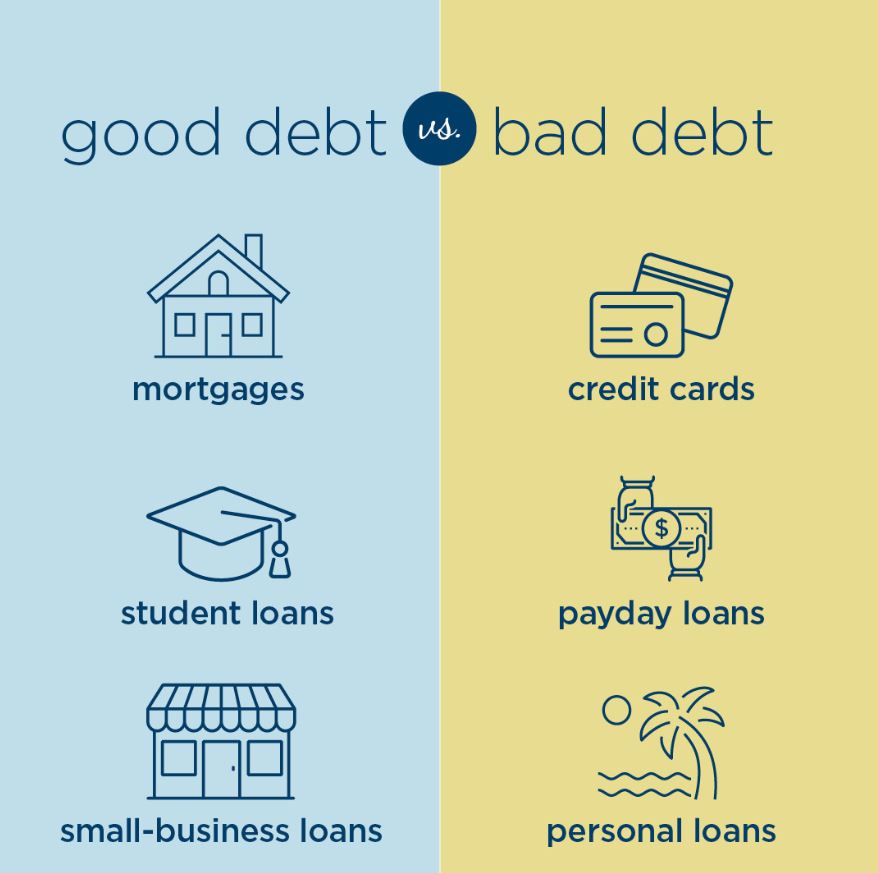
A3: This can be “good debt,” but only under strict conditions: 1) You have a solid, researched plan. 2) The potential return is much higher than the loan interest. 3) You have a backup plan to repay it even if the business takes time to grow. Never invest borrowed money in risky, “get-rich-quick” schemes.
Q4: All my friends use loan apps for small things. Am I missing out?
A4: You are missing out on stress, anxiety, and compound interest working against you. Their habit is a fast track to financial stress. Your discipline is a fast track to financial peace and future wealth. You’re winning.
Q5: How can I save when my salary is so small, and everything is expensive?
A5: Start with 1%. Save just 1% of your income this month. Next month, make it 2%. The habit is more important than the amount at the start. Also, audit your spending—you will almost always find a leak (daily snacks, unused subscriptions) that can fund your first ₦5,000 savings.
Your 30-Day Debt-Free Foundation Challenge
-
Week 1: Track every kobo you spend. No judgment, just data.
-
Week 2: Create your first budget using the 50/30/20 rule based on last month’s data.
-
Week 3: Open a dedicated emergency savings account and set up an auto-transfer for 5% of your income.
-
Week 4: Review one subscription or recurring expense and cancel it. Redirect that money to savings.
Avoiding debt as a young adult is the single most powerful financial decision you can make. It gives you the freedom to choose your path, take career risks, and build real wealth. It’s not about deprivation; it’s about empowerment. Your future self will look back and thank you for the peace you bought by simply living within your means. Which strategy will you implement first?