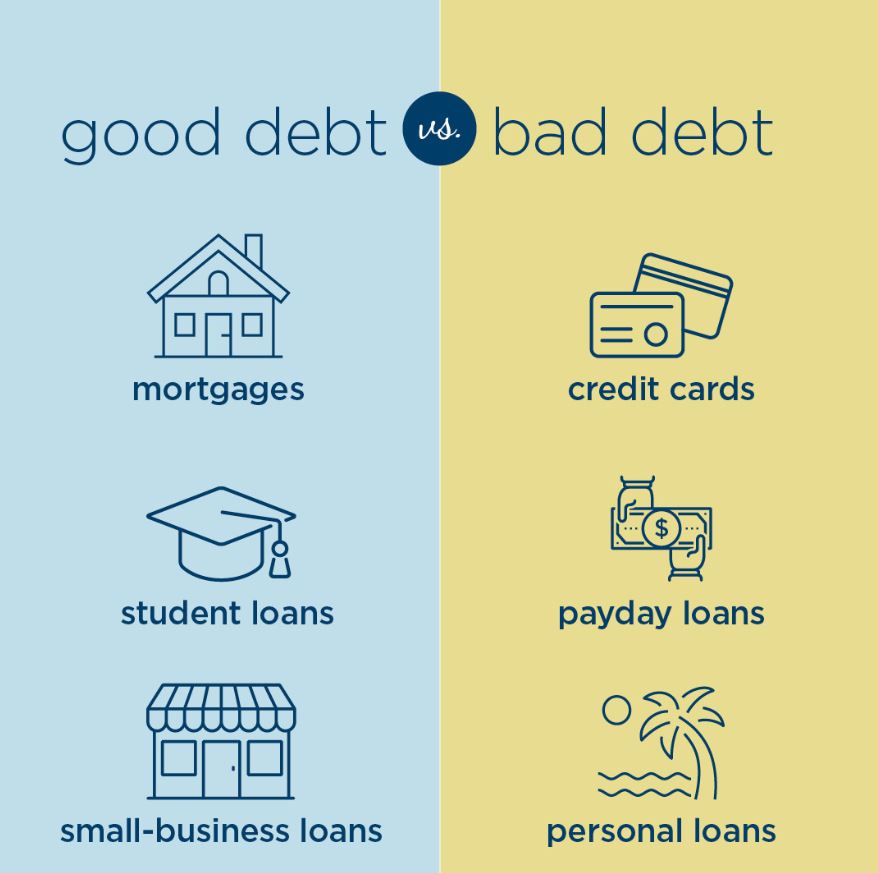
Understanding good debt vs bad debt. This is the single most important money lesson that school doesn’t teach you, especially in Nigeria, where loan apps, “quick credit,” and family pressure make borrowing seem normal. Not all debt is evil. In fact, the right kind of debt can make you richer, while the wrong kind can trap you in a cycle of poverty. This guide breaks it down in plain terms: what makes a loan “good,” what makes it “bad,” and how you, as a young Nigerian professional, student, or entrepreneur, can use this knowledge to build wealth instead of just sending money to lenders every month.
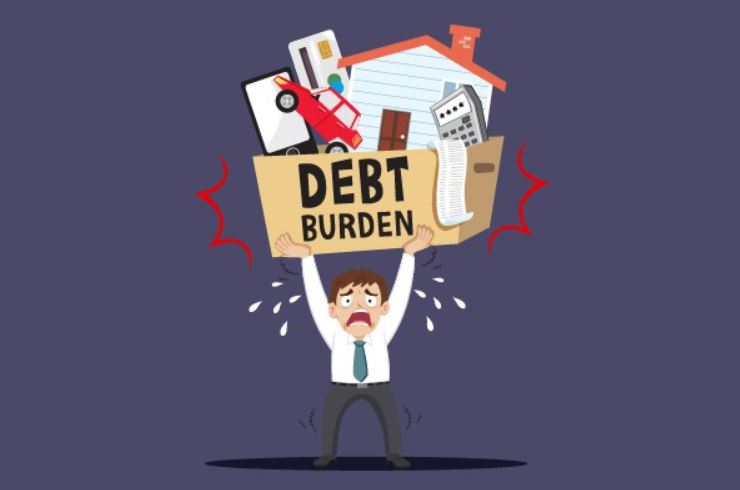
The Core Idea: Debt is a Tool, Not Just a Burden
Think of debt like a knife. In the hands of a skilled chef, it creates a delicious meal. In the wrong hands, it causes injury. Debt is a financial tool. Its value depends on what you use it for and the terms you get.
-
Good Debt: This is strategic borrowing. You use other people’s money (the bank’s, a co-operative’s) to buy something that increases in value over time or generates income that is greater than the loan cost.
-
Bad Debt: This is consumptive borrowing. You use other people’s money to buy things that lose value immediately or don’t generate any income, leaving you poorer with interest to pay.
Good Debt: The “Wealth-Building” Loans
This is debt that works for you. It’s an investment in your future.
1. Student Loan / Education Financing
-
What it is: Money borrowed to pay for school fees, JAMB/WAEC registration, or a skill acquisition program.
-
Why it’s GOOD: It’s an investment in yourself—your mind and your earning potential. A degree or a high-demand skill (like those top high-demand skills to learn in 2025) can multiply your future income for decades. The return (your higher salary) should far outweigh the loan cost.
-
Rule of Thumb: Only borrow for courses with strong career prospects. Borrowing ₦500k for a degree in Engineering that lands you a ₦200k/month job is smart. Borrowing the same for a vague studies program with no job market is risky.
2. Business Loan for a Viable Venture
-
What it is: Capital to start or expand a real business with a clear plan.
-
Why it’s GOOD: This is leverage. If you need ₦1M to buy equipment for a profitable printing business, and the loan interest is ₦150k per year, but the equipment helps you make an extra ₦500k profit, you’re winning. The asset (equipment) generates income to pay off the debt and leave you with more.
-
Rule of Thumb: You must have a solid business plan, understand your costs and market, and be sure the business can service the loan from its profits, not your salary.
3. Mortgage / Property Loan
-
What it is: A long-term loan to buy a house or land.
-
Why it’s GOOD: In Nigeria, property values generally rise over time (appreciation). Instead of paying rent that gives you nothing, you’re paying towards owning a tangible asset. Additionally, you can rent part of it out (like a Boys Quarter) to generate income that pays the mortgage—this is called “house hacking.”
-
Rule of Thumb: Ensure the monthly repayment is not more than 30-40% of your stable income. The property should be in a good, developing location.
4. Loan to Consolidate Other Bad Debts
-
What it is: Taking one new, lower-interest loan (e.g., from a cooperative) to pay off multiple high-interest loans (e.g., from loan apps).
-
Why it’s GOOD: It simplifies your life and reduces the total interest you pay. You go from paying 5 different loans at 30% interest to paying one loan at 10% interest. This is a strategic financial move, not just more debt.
Bad Debt: The “Wealth-Draining” Loans
This is debt that works against you. It makes the lender richer and you poorer.
1. Loan for Luxury Consumption & Lifestyle
-
What it is: Borrowing to buy the latest iPhone, designer clothes, throw a lavish party, or take a vacation you can’t afford.
-
Why it’s BAD: The moment you leave the shop or the party ends, the item’s value plummets (depreciation), but the debt remains at full price plus high interest. You’re paying for a dead expense with future money. This is the fastest way to stay poor.
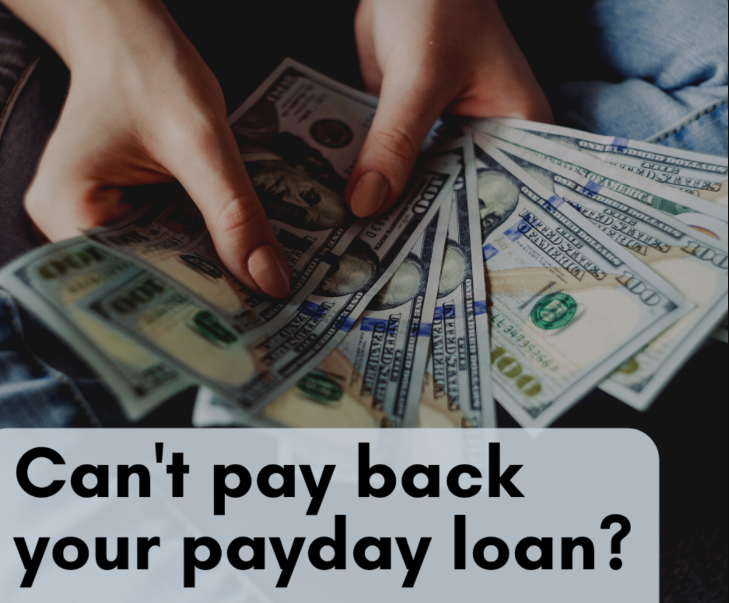
2. Payday Loans / Quick Credit Apps (Except for Real Emergencies)
-
What it is: Borrowing ₦5k-₦50k from apps like Carbon, FairMoney, or Okash for everyday needs before your salary.
-
Why it’s BAD: The Annual Percentage Rates (APR) are often 50% – 300%+. They are designed to trap you in a cycle. Borrowing ₦10k to “sort yourself” until month-end can easily balloon to ₦15k to repay. If you keep rolling it over, you’ll be in a deep hole. Using them for a genuine, one-off emergency (e.g., sudden hospital bill) can be justified. Using them for data, fuel, or aso ebi is a wealth killer.
3. Car Loan (For a Flashy Car as a Status Symbol)
-
What it is: Borrowing to buy a new car that is beyond your means, purely for show.
-
Why it’s BAD: A new car loses about 20% of its value the moment you drive it off the lot. You’re paying high interest on a rapidly depreciating asset. If the car is essential for your business (e.g., as an Uber driver or for your logistics company), it can be good debt. If it’s just to cruise around Lekki, it’s bad debt.
4. Borrowing to Invest in “Get-Rich-Quick” Schemes (MMM, etc.)
-
What it is: Taking a loan to put money into a Ponzi scheme or speculative crypto gamble.
-
Why it’s BAD: You’re combining the risk of an investment scam with the certainty of a loan repayment. If the scheme crashes (and they almost always do), you are left with the debt and zero assets. This is financial suicide.
How to Decide: The 3-Question Test Before You Borrow
Ask yourself these questions before you sign for any loan:
-
What is this money for? (Be brutally honest).
-
Good Answer: “To buy a laptop for my freelance graphic design business.”
-
Bad Answer: “To buy AirPods because mine got stolen and I can’t be seen without them.”
-
-
Will this purchase generate income or an increase in value?
-
Good Answer: “Yes, the laptop will help me fulfill client contracts and earn more money.”
-
Bad Answer: “No, the AirPods will just play music. They’ll be old tech in a year.”
-
-
Can I comfortably afford the monthly payment?
-
Good Practice: The payment (for all debts) should be less than 30% of your take-home pay. If it’s more, you’re risking your basic needs (rent, food, savings).
-
Your Action Plan: Managing Debt in Nigeria
-
Aim for Good Debt, Eliminate Bad Debt: List all your current debts. Plan to aggressively pay off the bad ones (especially loan apps) first.
-
Build an Emergency Fund: This is your shield against bad debt. If you have 3-6 months of expenses saved, you won’t need to borrow from a loan app when your car breaks down. Start building this today.
-
Use Formal Channels: If you must borrow, seek lower-interest options first: Cooperatives (Ajo/Esusu), Microfinance Banks, or family. Avoid informal lenders.
-
Read the Fine Print: Know the total interest, the tenure, and any hidden fees before you accept a loan.
Understanding good debt vs bad debt gives you the power to use credit as a ladder, not a chain. It’s the difference between borrowing to build a future and borrowing to fund a past lifestyle. Make your next debt a step toward wealth, not a step into a trap.