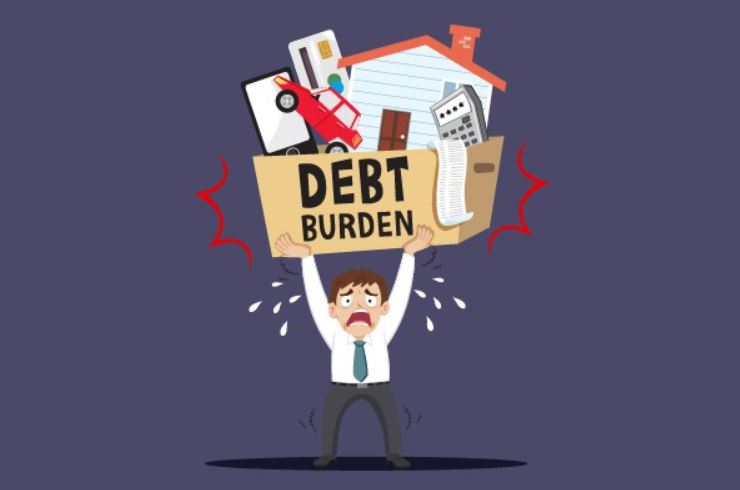
How to Stop Living From Salary to Salary is one of the biggest financial struggles many Nigerians face today. Whether you are a salary earner, a civil servant, a bank worker, or an employee in the private sector, the constant cycle of receiving your salary and watching it disappear within days can be exhausting. Rising prices, unstable income structures, and unexpected expenses make financial stability feel almost impossible. But here’s the truth: you can break this cycle. You can build a stable financial life where your salary lasts longer, your savings grow consistently, and you finally breathe without financial stress.
Stopping the salary-to-salary lifestyle is not about earning millions; it is about managing what you already have with smarter strategies. Many Nigerians earning modest salaries have achieved financial stability simply by creating the right systems around their money. This guide will show you practical, realistic steps you can start today—no complicated theories, no unrealistic expectations, just simple, effective strategies that work.
Understand Exactly Where Your Money Goes Each Month
You cannot fix what you don’t understand. One major reason people remain stuck in the salary-to-salary cycle is that they don’t track their expenses. You may think you already know, but once you start writing everything down, you will be shocked at how much escapes unnoticed—snacks, fast food, unnecessary subscriptions, transport costs, and impulse purchases.
Spend one month recording every expense. If this feels too difficult, start with two weeks. You can use simple tools or even your phone’s notes app. For more structured guidance, there are trusted financial education resources from Investopedia’s Personal Finance Guide (external link via anchor text).
Once you list your expenses, group them into:
- Needs (rent, food, bills)
- Wants (entertainment, luxury items)
- Waste (impulse purchases, avoidable costs)
Seeing this clearly is the first step toward long-term financial control.
Build a Budget That Matches Your Reality — Not Someone Else’s
Many people fail at budgeting because they copy unrealistic templates. A good budget must reflect your lifestyle, responsibilities, income level, and financial goals. Your budget should help you breathe, not choke you.
A simple structure you can apply is:
- 50% of income → essentials
- 30% of income → flexible spending
- 20% of income → savings and investments
But if your income is low or obligations are high, adjust it to something like:
- 60% essentials
- 25% flexible
- 15% savings
You can explore budgeting frameworks using external guidance from the Consumer Financial Protection Bureau Budgeting Tool (external link via anchor text). The goal is to make budgeting something you can actually stick to—not something that adds stress.
Eliminate the Most Dangerous Money Habit: Impulse Spending
Impulse spending is one of the fastest ways Nigerians lose money without realizing it. It sneaks in through quick online purchases, unplanned outings, last-minute transport decisions, or “small” buys that add up.
To stop this:
- Apply the 24-hour rule. If it’s not urgent, don’t buy it immediately.
- Unfollow pages that constantly tempt you to shop.
- Carry cash occasionally instead of relying on transfers every second.
- Avoid going to supermarkets when hungry or stressed.
Impulse spending drains more salary than people imagine. Reducing it alone can free up thousands of naira monthly.
Cut Down Food and Transportation Costs Without Stress
Food and transport are major expenses in Nigeria. If you don’t manage them smartly, they will swallow your entire salary quickly.
Practical ways to reduce food costs:
- Cook at home instead of eating out.
- Meal-prep to avoid emergency food buys.
- Buy foodstuffs in bulk at local markets.
- Freeze food to avoid spoilage and waste.
Reducing transportation costs:
- Combine routes to save money.
- Use buses or shared transport where possible.
- Plan your movements instead of making multiple trips daily.
These changes may seem small, but the savings add up significantly.
Create an Emergency Fund to Break the Cycle of Constant Borrowing
Borrowing is one of the biggest enemies of financial stability. When you keep borrowing before the month ends, next month’s income is already damaged. To break this cycle, you need an emergency fund—even a small one.
Start with whatever you can afford:
- ₦1,000 weekly
- ₦5,000 monthly
- A percentage of your salary
Emergency funds protect you from unexpected expenses like repairs, health emergencies, or urgent bills. For guidance on how emergency funds work, review the Central Bank of Nigeria Consumer Education Page (external link via anchor text).
Automate Your Savings So You Save Before You Spend
People who live salary-to-salary usually save manually, and manual savings fail because life gets in the way. Automation removes the struggle.
When money is automatically deducted on payday:
- You don’t see it
- You don’t touch it
- You don’t spend it
Whether it’s a bank standing order or a trusted savings platform, automation ensures consistency. Before choosing any financial service, always check safety guidelines from the Nigeria Deposit Insurance Corporation Consumer Protection Section (external link via anchor text).
Saving before spending is how wealthy people build stability—even with an average income.
Reduce or Cancel Subscriptions You Don’t Need
Unused subscriptions are silent money killers. Netflix, Spotify, gym plans, premium apps, and other recurring payments may feel small, but they drain your salary every month.
Audit all your subscriptions:
- Cancel services you rarely use
- Downgrade to cheaper plans
- Share plans with trusted people where possible
This single step frees more money than most people expect.
Supplement Your Salary With a Small Side Income
Your salary may be fixed, but your income doesn’t have to be. One of the most effective ways to escape the salary-to-salary trap is to add another income stream, even if it’s small.
Some realistic options in Nigeria include:
- Freelancing
- Mini importation
- Small online services
- Weekend jobs
- Mobile money services
- Teaching or tutoring
Even ₦20,000 extra every month can reduce the pressure on your salary and help you save consistently. You can learn about building additional income streams from reputable external resources such as Entrepreneur’s Side Business Guides (external link via anchor text).
Avoid High-Interest Loans That Trap Your Income
Quick-loan apps, payday loans, and emergency borrowing often come with outrageous interest rates. Once you fall into that cycle, escaping becomes difficult because you start using your next salary to pay back the previous debt.
Before taking any loan:
- Check interest rates
- Read all terms
- Confirm the lender is CBN-approved
- Borrow only for emergencies or income-generating purposes
The NDIC and CBN consumer education portals (external links via anchor text) provide reliable guidance on safe borrowing practices.
Start Tracking Your Financial Progress Every Month
To truly break the salary-to-salary lifestyle, you must monitor your progress. At the end of each month:
- Check how much you saved
- Review where your money went
- Identify what you overspent on
- Adjust your plan for the new month
Small improvements add up over time. Financial discipline becomes easier when you measure your monthly growth.
Conclusion
You can stop living from salary to salary—even if your income hasn’t increased yet. The key is to adopt smarter money habits, reduce unnecessary expenses, automate your savings, and plan for emergencies. With consistency, your salary will last longer, your savings will grow, and your financial stress will gradually disappear.
Financial stability is not a one-time event; it is a series of intentional decisions made month after month. Start today with just one step, and your financial life will transform faster than you think.
Frequently Asked Questions (FAQs)
1. Why do I always run out of money before the month ends?
Because you are likely not tracking your expenses, budgeting properly, or limiting impulse spending. Identifying where your money goes is the first fix.
2. How much should I save monthly to break the cycle?
Start with any amount that is realistic—₦1,000, ₦5,000, or 10% of your income. Consistency matters more than size.
3. Can I stop living salary-to-salary even if my income is small?
Yes. Many Nigerians with modest salaries build stability by budgeting, reducing waste, and creating small side incomes.
4. Are high-interest loan apps dangerous?
Yes. Many traps people in endless debt cycles. Always check NDIC or CBN-approved financial institutions before borrowing.
5. What is the fastest way to build savings?
Automate your savings so money is deducted before you spend your salary.