10 Smart Ways to Save Money Every Month Without Stress is one of the most practical topics for anyone who wants to build financial discipline without feeling overwhelmed. In Nigeria today, where prices continue to rise, and income doesn’t always grow at the same pace, learning how to manage your money smartly is one of the best gifts you can give yourself. Saving money doesn’t have to be difficult or stressful; you need the right strategies, consistency, and a realistic plan you can follow every month.
Saving is not only about cutting expenses. It is about understanding your spending habits, learning how to make better financial decisions, and putting systems in place that help you grow your money gradually. This guide will walk you through 10 smart, practical, and stress-free ways to save money every month, especially tailored to the Nigerian context. These strategies are simple enough for beginners yet effective enough to create long-term financial stability.
Before diving into the tips, it’s important to understand that savings work best when you take small but steady steps. Whether you earn a salary, run a business, or have multiple side hustles, these techniques will help you keep more of what you earn, reduce financial pressure, and build long-term wealth.
Understand Your Monthly Expenses Clearly
The first step to saving money every month without stress is knowing exactly where your money goes. Most Nigerians underestimate how much they spend daily on things like data, transportation, and food. When you don’t monitor your expenses, it becomes difficult to identify what to cut, what to adjust, or what to prioritize.
Start by writing down every expense you make for at least two weeks. Alternatively, you can use simple budgeting tools or trusted financial resources such as the Budgeting Basics guide on Investopedia, which explains how to track your finances effectively (external resource: Investopedia Budgeting Guide). Understanding your spending pattern is foundational because it determines what changes you need to make.
Once you know your expenses, group them into needs (rent, food, bills) and wants (luxury items, impulse purchases). This alone can help you reduce unnecessary costs every month without feeling deprived.
Create a Realistic Budget You Can Actually Follow
Having a budget is called “simple” only when it works for you, not when it’s too tight or unrealistic. To build a budget that actually works, start by considering your income, your fixed expenses, and your lifestyle. Your budget shouldn’t make you miserable; it should help you gain control.
One of the best frameworks is the 50/30/20 method—50% for needs, 30% for wants, and 20% for savings or investments. If this doesn’t fit your financial situation, you can adjust it to match your income level. You can also explore external budgeting resources like the Consumer Financial Protection Bureau Budget Planner, which offers additional guidance (external resource: CFPB Budget Planning Guide).
A realistic budget helps you avoid overspending and frees up money you can start saving consistently.
Reduce Impulse Spending Through Simple Controls
Impulse buying is one of the biggest reasons many Nigerians struggle to save. Social media ads, online sales, and urgent temptations often lead to unnecessary purchases. To stop this habit, practice the “24-hour rule”: whenever you feel tempted to buy something that isn’t urgent, wait 24 hours. Most times, the desire reduces, and you realize you don’t need it.
Limiting impulse buying helps you reduce financial leakage. You can also avoid saving apps that encourage spending and instead rely on more structured saving tools that support discipline.
Cook More at Home Instead of Eating Out
Food expenses are one of the easiest ways money disappears without notice. Eating out regularly—whether it’s fast food, restaurants, or grabbing snacks—quickly adds up. Cooking at home is cheaper and healthier. With meal planning, you can reduce food waste and save thousands of naira every month.
A practical approach is to cook in bulk on weekends and store your food. This method reduces spending during the week and prevents unnecessary purchases on the go.
Use Budget-Friendly Data and Airtime Options
Monthly data expenses can be surprisingly high. To save more, compare different plans from major network providers and choose the ones that offer long-term validity or bonuses. Many Nigerians overspend on data when they could be getting cheaper alternatives.
Using verified comparison platforms or visiting external resources such as the NCC Consumer Information Page can help you find the best affordable plans and reduce your monthly data bill significantly (external resource: NCC Consumer Information).
Cut Down on Subscriptions You Don’t Use
Subscriptions like streaming services, gym memberships, and premium apps quietly drain your money. Many people forget to cancel free trials or rarely use the services they pay for. Audit your subscriptions every month. If you don’t use them regularly, cancel them. Only keep the ones that give you real value.
This single step can save you a surprising amount of money without affecting your lifestyle.
Buy in Bulk and Take Advantage of Wholesale Prices
Buying household items, groceries, and toiletries in bulk can help you save more over time. Wholesale prices are usually cheaper than buying items one by one. Instead of visiting retail shops frequently, consider monthly or bi-weekly bulk buying.
It may seem like a high cost upfront, but the long-term savings are worth it.
Use Saving Apps and Automate Your Savings
Automated savings help you avoid the temptation to spend money before saving it. Many Nigerians find it easier to save when the money leaves their account automatically. Some tools allow automatic deductions, digital wallets, and locked savings plans.
Before choosing a savings platform, always review financial guidelines from verified external sources like the Central Bank of Nigeria Consumer Education Page, which provides helpful information for financial safety (external resource: CBN Consumer Education).
Automation removes stress and makes saving effortless.
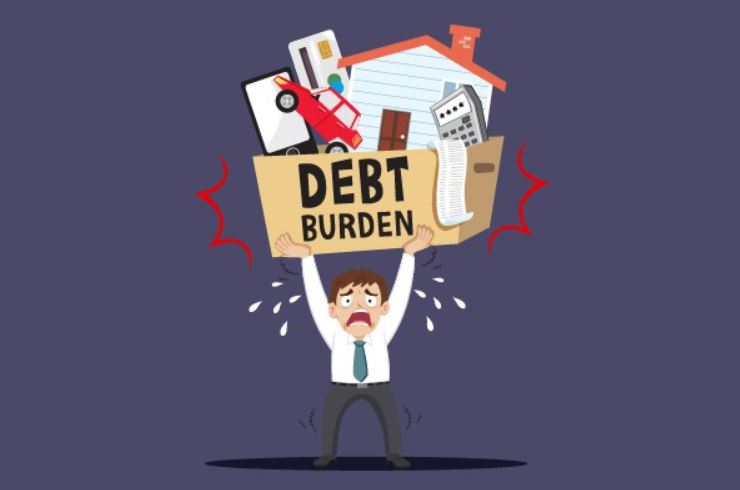
Avoid Unnecessary Debt and High-Interest Loans
Loans can be useful, but frequent borrowing often leads to financial stress. High-interest loans, especially from quick-loan apps, make it harder to save because your income goes into repayment instead of savings.
Before taking any loan, explore proper guidance from resources like the Nigeria Deposit Insurance Corporation Consumer Protection Section, which explains loan safety tips (external resource: NDIC Consumer Protection). Borrow only when necessary.
Track Your Progress Every Month
Finally, saving becomes easier when you measure your progress. At the end of each month, review your income, expenses, and how much you were able to save. Celebrate your progress, even if it’s small. Progress tracking helps you stay consistent and keeps you motivated.
Over time, this habit improves your financial discipline and leads to long-term wealth building.
Conclusion
Saving money every month without stress is possible when you apply the right strategies consistently. From managing your expenses to automating your savings and reducing impulsive spending, each step brings you closer to financial stability. These 10 smart ways are practical, realistic, and suitable for anyone living in Nigeria, regardless of income level.
By taking control of your finances today, you set yourself up for a stronger and more secure financial future.
Frequently Asked Questions (FAQs)
1. What is the easiest way to start saving money monthly?
The easiest way is to track your expenses and automate your savings so the money leaves your account before you can spend it.
2. How much should I save every month?
You can start with any amount—5%, 10%, or even more of your income. The goal is consistency.
3. How can I reduce spending without affecting my lifestyle?
Focus on needs vs. wants, remove unnecessary subscriptions, and reduce impulse buying.
4. Are savings apps safe to use in Nigeria?
Yes, but always review financial safety guidelines from verified sources like CBN before choosing a platform.
5. How can I stay motivated to save consistently?
Track your progress monthly and celebrate small wins. Seeing improvement encourages discipline.