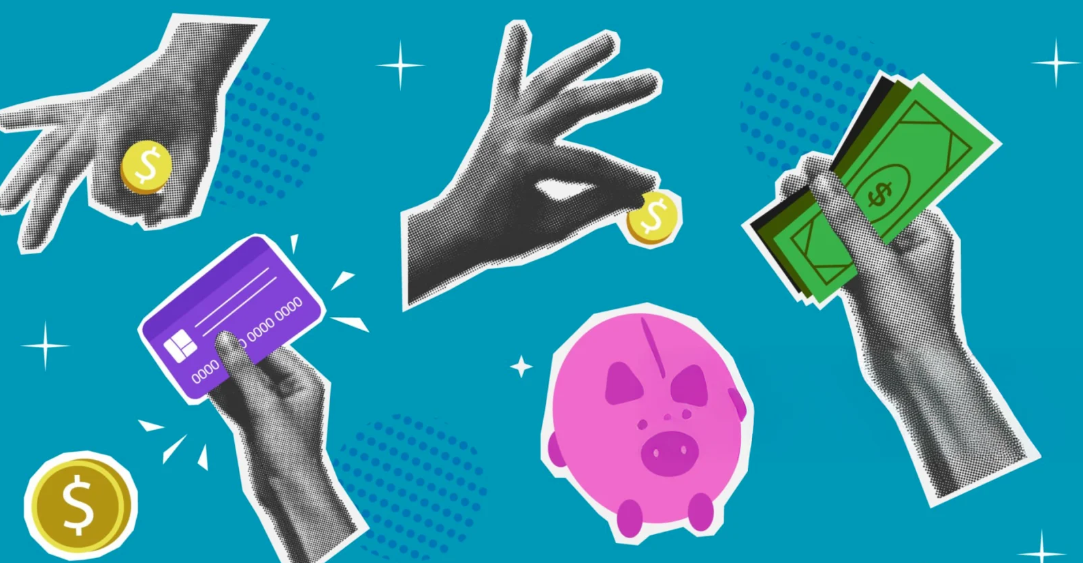
10 money-saving challenges that actually work. If the idea of “saving money” feels boring, restrictive, or impossible, these challenges are your secret weapon. They transform saving from a chore into a game, providing clear rules, instant gratification, and a powerful way to build financial discipline. In Nigeria, where daily expenses can feel relentless, these challenges offer structured, fun, and effective ways to cut spending leaks and build your emergency fund or savings goal faster than you thought possible. Let’s dive into the most effective ones.
Why Challenges Work: The Psychology of Gamification
Challenges work because they tap into our love for games: they have clear rules, achievable milestones, and a rewarding finish line. They make the abstract goal of “saving” concrete and immediate, helping you build the habit of paying yourself first.
The 10 Best Money-Saving Challenges for 2025
1. The No-Spend Weekend Challenge
-
The Rule: For one weekend (Friday evening to Sunday night), you spend zero Naira on non-essential items. No Uber, no snacks out, no online shopping, no data for streaming (use free Wi-Fi).
-
How It Saves: It breaks the cycle of automatic weekend spending. You rediscover free activities (reading, walking, visiting a friend at home, cooking).
-
Estimated Savings: ₦5,000 – ₦15,000+ per month (if done weekly).
2. The 52-Week Money Challenge (The Classic Builder)
-
The Rule: In week 1, save ₦50. Week 2, save ₦100. Increase by ₦50 each week. By week 52, you save ₦2,600.
-
The Math: Total saved in a year = ₦68,900.
-
Pro-Tip: Reverse it! Start with ₦2,600 in week 1 and decrease. It’s easier when you’re motivated at the start and have more cash (e.g., from a bonus).
3. The “Spare Change” or Digital Kolo Challenge
-
The Rule: Round up every card transaction to the nearest ₦100 and save the difference. Bought fuel for ₦2,450? Round up to ₦2,500 and save ₦50.
-
How to Do It: Use apps like PiggyVest’s “Smart Save” or Cowrywise that automate this. Or do it manually by transferring the “change” to a separate account daily.
-
Estimated Savings: ₦3,000 – ₦8,000+ per month, painlessly.
4. The “Pantry Challenge” (No Food Waste Week)
-
The Rule: For one week, you cannot buy any groceries. You must cook and eat only from what’s already in your pantry, fridge, and freezer.
-
How It Saves: It forces you to use food you already paid for (reducing waste) and reveals how much you normally spend on impulsive food buys. Saves on both groceries and takeout.
-
Estimated Savings: ₦7,000 – ₦20,000 for the week.
5. The Unsubscription Challenge
-
The Rule: Audit all your automatic subscriptions and recurring payments (Streaming: Netflix, Showmax; Music: Spotify, Apple Music; Apps: Canva Pro, etc.). Cancel at least 3 you don’t use frequently.
-
How It Saves: These “small” monthly fees (₦1,200 – ₦3,600 each) add up to a massive annual leak.
-
Estimated Savings: ₦5,000 – ₦15,000+ annually per subscription you cancel.
6. The Cash-Only Envelope Challenge
-
The Rule: For one month, allocate cash for your variable spending categories (Food, Transport, Fun) into labeled envelopes. When the cash in an envelope is gone, spending in that category stops for the month.
-
How It Saves: Using physical cash makes spending feel more “real” than tapping a card. It creates a hard stop and prevents overspending.
-
Estimated Savings: Can reduce variable spending by 15-30%.
7. The “No Eating Out” Weekday Challenge
-
The Rule: Commit to zero spending on cooked food, snacks, or drinks from Monday to Friday. Pack all meals, snacks, and coffee from home.
-
How It Saves: This targets one of the biggest budget killers for urban professionals. That ₦1,500 daily on lunch and snacks is ₦30,000 a month!
-
Estimated Savings: ₦20,000 – ₦40,000+ per month.
8. The 30-Day “Want” List Challenge
-
The Rule: For any non-essential “want” (clothes, gadgets, shoes), write it on a list with the date. You cannot buy it for 30 days. If, after 30 days, you still want it and can pay for it with cash (not credit), you can buy it.
-
How It Saves: It eliminates impulse buys. Most “wants” lose their appeal after a few days, saving you thousands on regretted purchases.
9. The “Fuel-Saving” Driving Challenge
-
The Rule: For one month, commit to hyper-efficient driving: no rapid acceleration/braking, maintain steady speed, ensure tires are properly inflated, and combine errands into one trip.
-
How It Saves: Can improve fuel efficiency by 10-20%. In a car that uses ₦30,000 fuel monthly, that’s ₦3,000 – ₦6,000 saved.
10. The Side Hustle “100%” Challenge
-
The Rule: Start a small, quick side hustle (sell old items online, offer a freelance service for 1 month). The rule is: 100% of the income from this hustle goes straight to a specific savings goal (e.g., emergency fund, vacation).
-
How It Saves: It boosts savings without touching your main salary, creating a powerful psychological and financial boost.
How to Choose and Win Your Challenge
-
Start Small: Pick ONE challenge for your first month. The “No-Spend Weekend” or “Unsubscription” are great starters.
-
Define the “Win”: Know exactly what you’re saving for (e.g., “This 52-week challenge is for my 2026 vacation fund”).
-
Track Visibly: Use a chart, app, or savings tracker. Visual progress is motivating.
-
Involve a Friend: Do a challenge with a buddy for accountability and friendly competition.
-
Celebrate Milestones: When you finish a no-spend week or fill an envelope, acknowledge the win!
Frequently Asked Questions (FAQ)
Q1: What if I fail a day during a challenge?
A1: Don’t quit! A challenge is a tool, not a test. If you slip up (e.g., buy a snack during a no-spend weekend), just note it, learn why it happened (were you hungry? bored?), and continue the challenge immediately. Perfection is not the goal; improved awareness and habits are.
Q2: I have irregular income (freelancer, business owner). Can I do these?
A2: Absolutely. Focus on percentage-based challenges. For example, the “Spare Change” or “Side Hustle 100%” challenges work perfectly. You can also modify the 52-week challenge to save a percentage of any income you receive each week.
Q3: Where should I keep the money I save from these challenges?
A3: Separate it immediately. Use a dedicated savings account on a digital platform like PiggyVest, Cowrywise, or a separate bank account. This prevents you from accidentally spending it. For cash envelopes, use a physical lockbox.
Q4: How do I handle social pressure during a “No-Spend” or “No Eating Out” challenge?
A4: Communicate proactively. Suggest free or low-cost alternatives: “I’m doing a savings challenge this month, but I’d love to hang out! Can we do a potluck at my place instead of the restaurant?” True friends will support your goals.
Q5: Which challenge will help me save the most money the fastest?
A5: For a quick, large cash injection, the “Pantry Challenge” combined with “No Eating Out Weekdays” will likely yield the biggest immediate result (easily ₦30,000+ in a month). For long-term, automated discipline, the “Spare Change” and “52-Week” challenges are unbeatable.
Your First Challenge Action Plan
-
Pick Your Fighter: Choose ONE challenge from the list that excites you and fits your lifestyle.
-
Set the Timeframe: Is it a weekend, a week, or a month?
-
Define Your “Why”: What specific goal will this saved money fund? Name it.
-
Set Up Your Tools: Open a dedicated savings pocket, get envelopes ready, or print a tracker.
-
Start Today. Not Monday, not next month. The best time to build a new habit is now.
These 10 money-saving challenges prove that building wealth doesn’t have to be boring or painful. By turning discipline into a game, you rewire your spending habits, uncover hidden cash, and make consistent saving a rewarding part of your life. Which challenge will you start first to kick off your savings journey?